
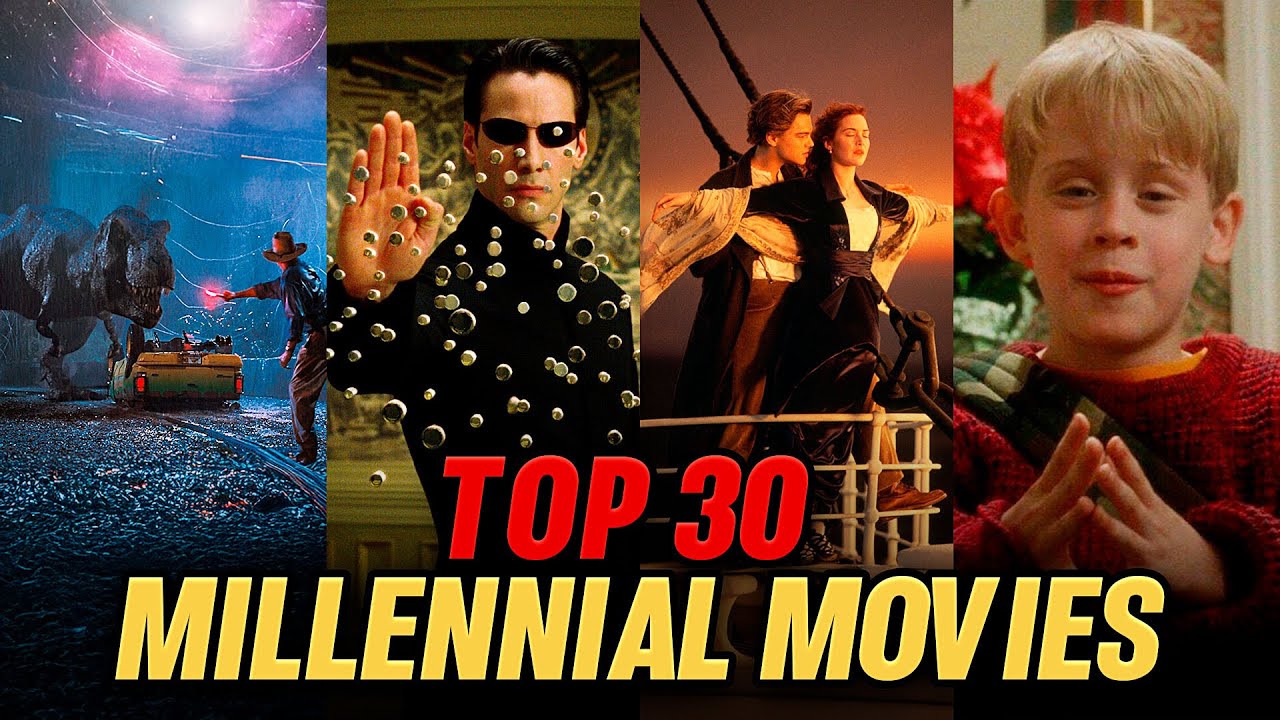
Navigating the Nuances: Common Pitfalls in Ranking Millennial Movies
Defining and ranking the "best" films for a specific generation is far more complex than a simple chronological exercise. Millennial movies, in particular, embody a unique blend of cultural shifts, technological advancements, and evolving social landscapes. This guide will illuminate the most common missteps people make when attempting to curate such a list, ensuring a richer, more accurate appreciation of cinema’s impact on a generation.
The Chronological Trap: When Was "Millennial" Anyway?
One of the most frequent errors in compiling a list of millennial films is a narrow focus on release dates. While films released during the millennial coming-of-age years are certainly candidates, merely being produced within a certain timeframe doesn’t automatically confer "millennial" status. The true marker lies in thematic resonance, character archetypes, and the film’s ability to capture the anxieties, aspirations, and unique cultural fabric of a generation born roughly between 1981 and 1996.

- Identify the Core Demographic: Understand that "millennial" isn’t a fixed year but a generation. Films made when this demographic was in their formative teen or young adult years (roughly late 90s to early 2010s) often carry the most weight.
- Look Beyond Release Date: A film released in 2015 might still resonate with older millennials, but its primary target might be Gen Z. Conversely, an earlier film could define millennial identity more accurately.
- Analyze Thematic Relevance: Does the film grapple with identity, technological integration, economic uncertainty, or the search for meaning in a rapidly changing world – themes central to the millennial experience?
Key Takeaway: Generational identity, reflected through shared experiences and themes, defines a "millennial movie" more accurately than mere calendar years.
Mistaking Nostalgia for Definitive Quality
Personal affection and the warm glow of nostalgia can be powerful, but they often cloud objective judgment when ranking films. A movie that resonated deeply with you as a teenager may hold immense personal value, but that doesn’t automatically qualify it as a universally "best" millennial film. The challenge is to distinguish between a film’s subjective impact on an individual and its broader, more objective cultural, artistic, or generational significance.
While personal connection is a valid component of film appreciation, a comprehensive "best of" list requires a more analytical lens. Consider a film’s lasting influence, its critical reappraisal over time, and its thematic relevance beyond your own specific life stage. Overly relying on personal sentiment risks creating a list that is more a memoir than a definitive guide.
Key Takeaway: While personal connection is powerful, objective ranking necessitates moving beyond individual nostalgic biases to assess broader cultural and artistic merit.
The Genre Blind Spot and Overlooking Diverse Voices
Many attempts to rank millennial films fall into the trap of genre exclusivity, often defaulting to indie dramas, coming-of-age stories, or specific comedies. The millennial experience, however, is far too vast and varied to be contained within a handful of genres. Neglecting the breadth of cinematic output — from groundbreaking sci-fi and horror that explored generational anxieties, to animated features that shaped early worldviews, or action films that reflected globalized perspectives — creates an incomplete and unrepresentative list.
Furthermore, an accurate ranking must actively seek out and include films that give voice to diverse perspectives within the millennial generation. Overlooking works by or about marginalized communities, or films that specifically tackle issues of race, gender, sexuality, or socio-economic disparity, means missing crucial components of the millennial narrative. The generation is diverse, and its cinema should reflect that complexity.
Key Takeaway: A truly representative list embraces the full breadth of genre and demographic experiences within the millennial generation, reflecting its inherent diversity.
The Peril of Single Metric Mania: Beyond Box Office and Critics
Focusing solely on immediate box office success or initial critical acclaim as the primary metrics for a film’s "best" status can be a significant oversight. While these indicators have their place, they often fail to capture a film’s true, enduring cultural impact. Many films that become generational touchstones — shaping inside jokes, fashion trends, musical tastes, or even philosophical viewpoints — may not have been initial blockbusters or Oscar darlings.
The true measure of a millennial movie’s lasting quality often lies in its cultural resonance, its quotability, its ability to spawn memes, or its continued relevance years, even decades, after its release. A film’s cult status, its influence on subsequent filmmakers, or its sustained ability to spark discussion can be far more indicative of its importance than its opening weekend numbers or a Rotten Tomatoes score from a specific year.
Key Takeaway: True generational impact extends far beyond immediate commercial or critical success, residing often in sustained cultural resonance and lasting influence.
Key Elements Defining a Top Millennial Movie
- Thematic Depth: Grapples with core millennial themes like identity formation, digital native struggles, economic uncertainty, or existential angst.
- Cultural Mirror: Accurately reflects or satirizes socio-economic shifts, technological advancements, and evolving social norms of the era.
- Pioneering Style: Introduces or popularizes new cinematic techniques, storytelling approaches, or narrative structures.
- Enduring Resonance: Creates quotable lines, iconic characters, memorable soundtracks, or widely shared memes that become cultural touchstones.
- Emotional Honesty: Connects authentically with the anxieties, humor, and hopes of the generation coming of age.
- Diverse Representation: Offers varied perspectives and experiences, reflecting the heterogeneous nature of the millennial demographic.
Common Mistakes to Avoid
- Assuming all movies released between 1981-2000 are automatically "millennial movies."
- Allowing personal nostalgia for your favorite childhood films to overshadow broader cultural significance.
- Exclusively focusing on mainstream Hollywood blockbusters or arthouse darlings, ignoring other genres.
- Prioritizing initial critical reviews or opening weekend box office numbers over long-term cultural impact.
- Neglecting films that gained cult status or found their audience long after their initial theatrical run.
- Failing to consider how global perspectives and international cinema shaped the millennial experience.
- Creating a list that lacks diversity in its themes, characters, or the voices it represents.
FAQ Section
What truly defines a "millennial movie" beyond release date?
Beyond its release timeframe, a "millennial movie" is characterized by its ability to capture the unique zeitgeist of the generation. This means its themes, characters, and conflicts resonate deeply with the core experiences, anxieties, and cultural touchstones of individuals born between the early 1980s and mid-1990s as they navigated their formative years. It often reflects technological shifts, economic challenges, evolving social norms, and the search for identity in a rapidly globalizing world.
Should personal preference play a role in creating a "best of" list?
While individual taste is an inevitable and valid part of film appreciation, a "best of" list aiming for broader appeal and definitive status should strive for a balance. It’s crucial to acknowledge personal preferences but also to weigh them against objective criteria such as cultural impact, critical consensus (especially over time), thematic relevance, artistic innovation, and lasting influence on cinema or society. A truly great list transcends individual bias to reflect a wider understanding of a film’s significance.
How do evolving cultural shifts impact a film’s "millennial" status over time?
As new generations emerge and societal norms continue to shift, a film’s "millennial" status can be re-evaluated. For some films, their depiction of a specific era’s struggles or triumphs might become even clearer and more poignant with hindsight, solidifying their generational relevance. For others, themes or portrayals might become dated, diminishing their overall impact for newer viewers. This ongoing reappraisal highlights which films possess truly timeless qualities while still retaining their specific generational resonance.