
Enhancing Efficiency and Safety in Structural Steel Construction Projects
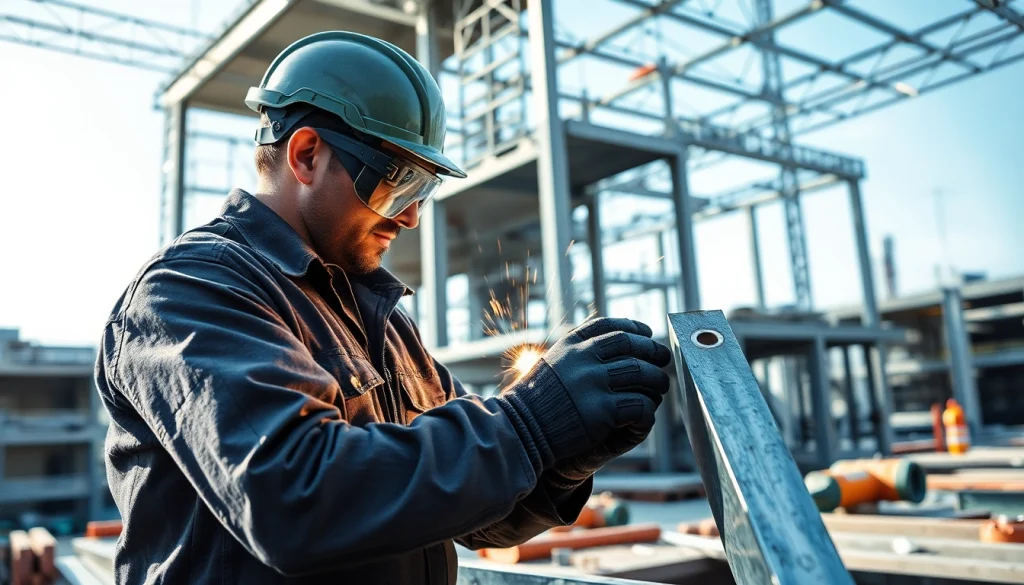
Understanding Structural Steel Construction
Structural steel construction is a critical component of modern architecture and engineering, forming the backbone of many buildings and infrastructure projects. The use of structural steel offers numerous advantages, including strength, flexibility, and speed of construction. With its unparalleled capabilities, structural steel has become the material of choice across various sectors and applications.
At the heart of this construction method lies a deep understanding of the material itself, its properties, and how best to utilize it in design and execution. As you delve deeper into the world of structural steel construction, it’s essential to explore its definition, benefits, and practical applications.
What is Structural Steel?
Structural steel refers to steel that is produced in a specific shape and size, designed to meet certain mechanical properties and standards. It is used to manufacture beams, columns, and other critical structural components that provide strength and support to buildings and structures. The most common types of structural steel include wide-flange beams, angles, channels, and plates, each tailored for specific engineering requirements.
Manufactured from iron alloyed with various elements, structural steel typically exhibits high strength-to-weight ratios, making it suitable for large-scale constructions. Throughout history, notable structures such as the Eiffel Tower and the Empire State Building have showcased the capabilities of structural steel, paving the way for modern engineering innovations.
The Benefits of Using Structural Steel
The advantages of using structural steel in construction are both significant and multifaceted. Here are the primary benefits that make it a preferred material:
- Strength and Durability: Structural steel is known for its high tensile and compressive strength. It can withstand heavy loads and stress without deformation, making it ideal for large buildings and bridges.
- Flexibility: Steel’s inherent flexibility allows structures to bend without breaking. This property is crucial in earthquake-prone areas, where buildings must absorb seismic forces.
- Speed of Construction: Pre-fabricated steel components can be assembled quickly on-site, reducing construction timelines. This efficiency can contribute to cost savings and quicker project delivery.
- Versatility: Structural steel can be molded into various shapes and sizes to meet unique architectural demands. From skyscrapers to residential homes, its adaptability knows no bounds.
- Environmentally Friendly: Steel is recyclable, and using recycled steel reduces emissions and energy consumption, aligning structural steel construction with sustainable practices.
Common Applications of Structural Steel
Structural steel finds applications in a wide range of projects, including:
- Commercial Buildings: High-rise structures commonly utilize steel frames to provide the required strength and stability.
- Industrial Facilities: Factories and warehouses rely on structural steel for frames, roofs, and heavy loading docks.
- Bridges: Bridges constructed with steel provide safety and durability over long spans where traditional materials may falter.
- Residential Homes: Increasingly used in modern homes for frames, particularly in areas requiring open spaces without interior walls.
Design Considerations for Structural Steel Fabrication
Designing structures using steel requires careful consideration of various factors to optimize performance and safety. Here, we explore key design attributes, integration for efficiency, and examples of innovative designs in structural steel fabrication.
Key Design Attributes to Consider
When designing with structural steel, several attributes are paramount:
- Load-Bearing Capacity: Engineers must determine the loads (live, dead, wind, seismic) the structure will be subjected to throughout its life span.
- Material Properties: Knowledge of yield strength, tensile strength, and ductility of the chosen steel is crucial in selecting the appropriate grade.
- Connection Types: Effective connections are critical for the integrity of steel structures, necessitating careful selection of welds, bolts, or rivets.
- Serviceability: Ensuring that the structure remains functional and comfortable under regular usage, including deflection limits and vibration control, is crucial.
Integrating Efficiency in Design
Integrative design approaches can significantly enhance the efficiency of structural steel projects. Various techniques include:
- Collaborative Design: Involving key stakeholders like architects, engineers, and constructors early in the design process ensures a holistic approach.
- 3D Modeling: Utilizing Building Information Modeling (BIM) allows for precise visualization and planning, reducing errors and rework during construction.
- Modular Construction: Pre-fabricating components off-site can save time and labor while maintaining quality assurance.
Examples of Innovative Designs
Numerous projects demonstrate how innovative designs can optimize structural steel usage:
- The Shard, London: This iconic skyscraper showcases a glass and steel façade, with a uniquely designed tapered form that enhances wind resistance.
- Millennium Bridge, London: A pedestrian suspension bridge that uses high-strength steel cables, showcasing both aesthetic appeal and structural integrity.
- Gherkin, London: Featuring a unique egg-shaped design, this building utilizes a steel frame that provides stability while reducing wind load effects.
Best Practices in Structural Steel Construction
Effective structural steel construction requires adherence to best practices maximizing quality and safety. This section outlines crucial planning and preparation steps, quality control measures, and safety protocols.
Planning and Preparation Steps
Proper planning can make all the difference in successful structural steel construction. Key steps include:
- Site Assessment: Conduct thorough research on soil conditions, environmental considerations, and property boundaries.
- Design Verification: Ensure the design meets all applicable codes and standards and has been reviewed by qualified structural engineers.
- Material Procurement: Develop a timeline for material procurement, accounting for lead times and availability.
- Resource Allocation: Plan for the allocation of personnel and machinery, ensuring availability aligns with project timelines.
Quality Control Measures
To ensure the highest quality in construction, established quality control measures are essential. These include:
- Material Testing: Conduct testing on steel grades and compositions to ensure compliance with design specifications.
- Inspection Protocols: Implement regular inspection regimes to assess welding, connections, and frame alignments throughout construction.
- Documentation and Reporting: Maintain detailed records of inspections, tests, and any corrective actions taken during construction.
Safety Protocols in Steel Construction
Safety is paramount in any construction process. The following protocols are vital:
- Personal Protective Equipment (PPE): Ensure all workers are equipped with appropriate safety gear, including helmets, gloves, and fall protection gear.
- Safety Training: Regular safety training sessions should be mandatory, educating workers on potential hazards and safe practices.
- Emergency Response Plans: Develop and communicate emergency response procedures for accidents or adverse events on-site.
Challenges in Structural Steel Construction
While structural steel construction offers ample advantages, it is not without its challenges. Here, we examine common issues, their solutions, the impact of weather, and supply chain challenges.
Common Issues and Their Solutions
Common challenges faced in steel construction include:
- Fabrication Errors: Errors during fabrication can lead to costly delays and safety risks. Employing precise fabrication techniques and regular quality checks are critical.
- Site Constraints: Limited space on construction sites can impede progress. Considering modular solutions and pre-fabrication can mitigate these constraints.
- Cost Overruns: Unforeseen expenses can derail projects. Implementing strict budgeting controls and contingency planning is essential for managing finances.
The Impact of Weather on Construction
Weather conditions can significantly affect steel construction projects. Key considerations include:
- Temperature Extremes: Steel contracts in cold temperatures and expands in heat, which can impact safety and integrity. Monitoring weather forecasts can aid in planning and scheduling adjustments.
- Precipitation: Rain or snow can delay outdoor operations. Planning activities based on seasonal forecasts can help manage disruptions.
- Wind Safety: High winds can pose serious risks for steel erection. Establishing wind speed protocols to halt operations when necessary helps maintain safety.
Addressing Supply Chain Challenges
Supply chain disruptions can hamper project timelines and budgets. To address these issues:
- Supplier Relationships: Maintaining solid relationships with multiple suppliers can mitigate risks associated with supply chain failures.
- Stock Management: Regular inventory assessments and proactive procurement strategies help manage stock levels and availability.
- Forecasting Demand: Utilizing data and analytics to predict material needs helps suppliers and constructs mitigate shortages effectively.
Measuring Success in Structural Steel Projects
Building successful structural steel projects hinges on well-defined metrics and evaluation strategies. This section discusses key performance indicators, assessing project outcomes, and continuous improvement strategies.
Key Performance Indicators (KPIs)
To gauge the success of structural steel projects, various KPIs should be established:
- Schedule Adherence: Measure project timelines against planned schedules to assess efficiency.
- Budget Variance: Track actual costs against budgeted amounts to manage financial health throughout the project.
- Quality Metrics: Monitor the number of defects or rework required throughout the construction process, emphasizing quality assurance.
- Safety Incidents: Report and analyze safety incidents to improve workplace safety protocols continually.
Assessing Project Outcomes
Once construction is complete, assessing the outcomes of the project is essential. This involves:
- Stakeholder Feedback: Gathering feedback from clients, contractors, and end-users to evaluate the overall satisfaction with the project.
- Post-Construction Analysis: Reviewing project data against initial objectives to determine how well goals were met.
- Performance Evaluation: Conducting performance evaluations of labor and material costs versus output to identify areas of improvement.
Continuous Improvement Strategies
A culture of continuous improvement in structural steel construction can lead to long-term benefits. Implement strategies such as:
- Regular Training: Ongoing training programs help keep the workforce knowledgeable about the latest techniques and safety practices.
- Feedback Mechanisms: Establishing feedback loops allows stakeholders to share insights and continuously refine processes.
- Technology Integration: Using advanced project management software can streamline operations and enhance communication among teams.