

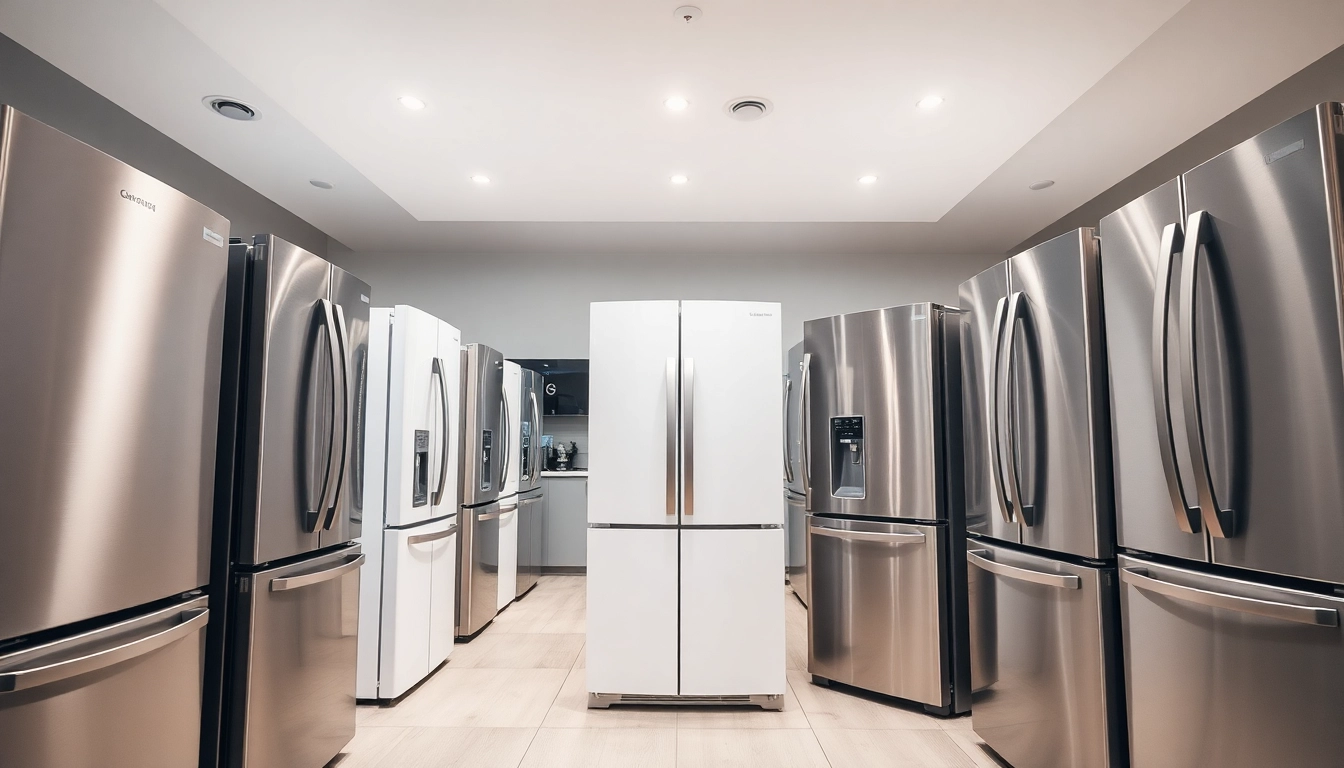
Understanding the Basics of Refrigerator Sales
In today’s fast-paced world, the demand for refrigerators remains consistently high. A critical aspect of the home appliance market, these essential devices facilitate food storage and preservation, shaping our culinary experiences. With ever-evolving technology and design trends, the landscape of refrigerator sales is dynamic and intricate.
Market Overview of Refrigerator Sales
The refrigerator market has seen significant growth driven by innovation, increasing consumer awareness, and rising living standards. The demand for energy-efficient models has surged, influenced by environmental concerns and cost-saving potential. Emerging markets are also contributing to the boost in refrigeration sales as urbanization and modernization take hold. Understanding these market dynamics is pivotal for stakeholders aiming to succeed in this competitive environment.
Types of Refrigerators Available
Refrigerators come in various styles, catering to diverse consumer preferences. Key types include:
- Top-Freezer Refrigerators: These are traditional models where the freezer section is located at the top, offering straightforward functionality.
- Bottom-Freezer Refrigerators: With the freezer situated at the bottom, these models provide easy access to fresh food items.
- Side-by-Side Refrigerators: These include vertical compartments, offering equal access to both fresh and frozen goods.
- French Door Refrigerators: These elegant units feature a two-door design for the fridge and a pull-out freezer drawer, promoting organization and accessibility.
- Mini Refrigerators: Ideal for small spaces, these compact units serve limited storage needs.
Why Choosing the Right Refrigerator Matters
Selecting the appropriate refrigerator can significantly impact daily life. Factors like size, capacity, and energy efficiency play crucial roles in consumer satisfaction. Moreover, the right refrigerator can enhance kitchen aesthetics and improve food preservation, ultimately contributing to healthier lifestyles and reduced food waste. Therefore, making an informed decision is essential for any buyer.
Factors Influencing Customer Decisions
Energy Efficiency Ratings Explained
In an age where sustainability is paramount, energy efficiency is a critical consideration for modern consumers. The Energy Star rating helps customers determine how much energy a refrigerator consumes compared to other models. Appliances that are Energy Star certified typically consume 15% less energy, providing financial savings in energy bills and minimizing environmental impact. Consumers are increasingly inclined toward these models to align their purchasing decisions with eco-friendly practices.
Design Trends in Refrigerator Sales
Design trends significantly influence refrigerator sales. Modern consumers are looking for units that not only meet their functional needs but are also visually appealing. Appliances with stainless steel finishes, customizable panels, and smart features such as touch screens are gaining popularity. Integration of refrigerators with home décor, including colors and materials that match the kitchen, is becoming a crucial selling point. Understanding these trends allows sellers to better meet consumer expectations and boost sales.
Pricing Strategies in the Industry
Pricing strategies can influence customer purchasing behavior significantly. Reports indicate that consumers are often willing to pay a premium for models with advanced features or better energy ratings. Special promotions, financing options, and bundled offers can enhance attractiveness. Understanding the psychological pricing strategy, where prices are set just below a round number, can also encourage purchases. Aligning pricing with perceived value is essential for maximizing sales.
Effective Marketing Techniques for Refrigerator Sales
Online vs. Offline Sales Channels
The rise of e-commerce has transformed how refrigerators are marketed and sold. Online sales provide convenience, wider selections, and price comparisons, appealing to tech-savvy consumers. However, offline sales remain relevant, offering tactile experiences where consumers can see and touch appliances. A dual-channel strategy often works best, where customers can browse online and finalize purchases in-store.
Leveraging Social Media for Engagement
Social media platforms serve as powerful marketing tools for refrigerator sales. Brands can engage directly with consumers through interactive content, ads, and customer feedback. Demonstration videos showcasing features can create interest and drive traffic. User-generated content, like customers sharing their refrigerator setups, fosters community and adds authenticity, ultimately leading to increased engagement and conversions.
Building Trust with Customer Reviews
Customer reviews are influential in shaping purchasing decisions. Positive testimonials can enhance credibility, while negative feedback provides valuable insights for improvement. Brands should actively encourage reviews and respond promptly, demonstrating accountability and transparency. A strong review presence can significantly influence potential buyers, establishing trust that drives sales.
Maximizing Your Sales Through Customer Service
Importance of After-Sales Support
After-sales support plays a critical role in customer retention and satisfaction. Providing installation assistance, warranty information, and troubleshooting support can enhance the overall customer experience. Exceptional after-sales service encourages customers to recommend the brand to others, driving word-of-mouth referrals, which are invaluable in building a solid reputation in refrigerator sales.
Utilizing Customer Feedback for Improvement
Feedback is a goldmine of insights that can help enhance product offerings and customer service. Regular surveys and monitoring customer interactions can collect valuable data that informs product development and marketing strategies. By demonstrating that customer feedback leads to actionable change, brands can foster loyalty and encourage repeat purchases.
Creating a Personalized Shopping Experience
In today’s competitive landscape, personalization is key to enhancing the shopping experience. Personalized product recommendations based on past purchases or browsing behavior can help guide customers towards the refrigerator that best fits their needs. Tailoring promotions and communication to individual preferences can create a connection that boosts conversion rates and increases customer satisfaction.
Future Trends in Refrigerator Sales
Smart Refrigerators and Technology
As technology advances, so do refrigerator features. Smart refrigerators equipped with Wi-Fi capabilities enable remote monitoring, personalized settings, and inventory tracking via smartphones. Such innovations cater to the needs of modern consumers who value convenience and integration with their smart home systems. Staying updated on these trends can help bridge the gap between consumer needs and product offerings.
Environmental Concerns and Sustainable Practices
With growing awareness about environmental impact, more consumers seek energy-efficient and eco-friendly refrigerators. Manufacturers are responding by designing appliances that utilize natural refrigerants, reducing plastic, and employing recycling practices. As environmental concerns evolve, brands must adapt to maintain relevance and consumer interest in sustainability.
Predicted Market Growth and Innovations
The refrigerator sales market is projected to continue its growth trajectory, driven by emerging technologies, evolving consumer preferences, and economic factors. Innovations such as enhanced cooling technologies, IoT integration, and customized designs are expected to capture consumer attention moving forward. Brands that invest in research and development can maintain a competitive edge while meeting the changing needs of their customer base.
Frequently Asked Questions
What are the key features to look for in a refrigerator?
Energy efficiency, size, style, and advanced features like smart technology or adjustable shelving are crucial aspects to consider when choosing a refrigerator.
How can I improve my refrigerator’s energy efficiency?
Ensure proper ventilation, avoid placing hot food inside, keep the temperature settings optimal, and regularly clean the coils to enhance energy efficiency.
What is the average lifespan of a refrigerator?
A refrigerator typically lasts between 10 to 20 years, depending on model, maintenance, and usage patterns, with proper care extending its life.
Are there any benefits to buying a smart refrigerator?
Smart refrigerators offer convenience through features like remote management, inventory tracking, and energy-saving modes, enhancing the overall user experience.
What should I do if my refrigerator is not cooling properly?
Check for obstructions, verify temperature controls, clean the coils, and if issues persist, consider contacting a professional for diagnostics and repairs.