Leveraging Community Expertise: A Deep Dive into Apple’s Community Plus Program
Apple’s recent unveiling of its Community Plus program marks a significant evolution in enterprise customer support, shifting towards formalized recognition for its most dedicated online support members. This initiative represents a strategic pivot, acknowledging the invaluable role peer-to-peer assistance plays in managing customer inquiries and fostering brand loyalty. Understanding the mechanics and implications of this program is crucial for businesses aiming to optimize their own online community engagement and support strategies.
The Evolution of Online Support Models
Traditionally, customer support has relied heavily on centralized, internal teams, often facing challenges in scalability, response times, and cost management as customer bases expand. The emergence of online forums and community platforms offered a partial solution, enabling peer-to-peer problem-solving. However, these organic communities often lacked formal structures to identify, incentivize, or empower their most active and knowledgeable contributors. Apple’s Community Plus program directly addresses this gap by formalizing the acknowledgment of these “power users,” thereby transforming informal contributions into a structured, recognized asset. This approach moves beyond passive community presence to an active, incentivized support ecosystem, which can substantially offload tier-one support queries and enhance customer satisfaction through authentic peer interactions.
Deep Dive into Apple’s Community Plus Program
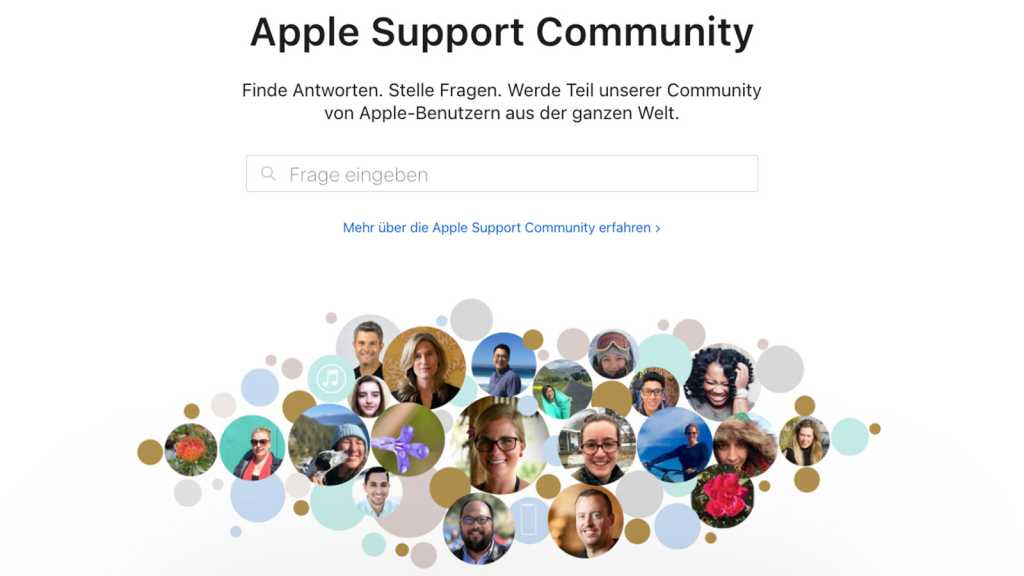
Apple’s Community Plus program is designed to identify and elevate individuals who consistently provide high-quality, helpful answers within its official support communities. Membership is invitation-only, extended to users demonstrating expertise, consistent engagement, and adherence to community guidelines. Benefits reportedly include exclusive Apple merchandise, direct access to Apple product teams, early software access, and potentially direct communication channels with Apple support leadership. This structured tiered recognition system serves a dual purpose: it publicly validates the contributions of top members, fostering a sense of belonging and achievement, while also providing tangible, exclusive incentives that deepen their commitment. By offering more than just badges or virtual points, Apple aims to cultivate a highly engaged and knowledgeable cohort that acts as an extended, self-sustaining support arm, enhancing the overall efficacy and reach of its customer service operations.

Alternative Recognition Frameworks and Their Limitations
While Apple’s program represents a sophisticated model, other approaches to community engagement and support recognition exist, each with distinct advantages and drawbacks. Many platforms utilize simple gamification, offering badges, points, or leaderboards. While these can initially boost engagement, their motivational impact often wanes without more substantive rewards or status, leading to a plateau in user contribution quality. Another approach involves direct financial compensation for community moderators or designated experts, which ensures consistent, professional support but introduces significant operational costs and can diminish the authentic, peer-driven nature of community interaction. A third, less formal approach relies purely on organic goodwill, where users contribute without any specific organizational recognition or incentive. While admirable in its purity, this model struggles with consistency, scalability, and retaining top talent, as high-value contributors may eventually seek more formal acknowledgment or opportunities elsewhere. These alternatives highlight the necessity of balancing cost-efficiency with sustained, high-quality engagement, an area where Apple’s hybrid model seeks to excel.
Strategic Implications for Enterprise Community Management
The success of Apple’s Community Plus program hinges on its ability to transform high-value user contributions into a scalable, cost-effective support mechanism while simultaneously strengthening community bonds. For other enterprises, this model offers several strategic implications. First, it underscores the importance of robust analytics to accurately identify and quantify valuable community contributions, moving beyond simple post counts to evaluate the actual impact and helpfulness of answers. Second, it highlights the power of exclusive, non-monetary incentives in fostering deep loyalty and continuous engagement. Direct access to product teams or early feature previews, for example, offers a unique value proposition that cannot be easily replicated by competitors. Finally, the program demonstrates how formalizing recognition can elevate the status of community engagement from a peripheral activity to a core component of the customer experience strategy, integrating it seamlessly with traditional support channels and product development feedback loops.
Comparative Analysis of Online Support Models
| Approach | Core Mechanism | Motivation Drivers | Scalability Potential | Cost Efficiency | Community Health Impact |
|---|---|---|---|---|---|
| Apple Community Plus | Tiered, exclusive recognition | Status, exclusive access, direct influence | High, leveraging existing users | Moderate-High, lower than internal staff per interaction | Strong, fosters loyalty and expertise |
| Traditional Support Forums | Peer-to-peer voluntary support | Altruism, problem-solving, casual recognition | Moderate, relies on organic participation | Very High, minimal overhead | Variable, can be inconsistent without moderation |
| Paid Moderator/Expert Model | Compensated, formal roles | Financial incentive, professional responsibility | High, direct control over resources | Low-Moderate, significant salary/contractor costs | Consistent, but potentially less authentic interaction |
| Pure Gamification | Badges, points, leaderboards | Achievement, competition, status (virtual) | High, easy to implement | Very High, automated | Initial boost, often wanes without tangible rewards |
Practical Tips for Building an Effective Community Recognition Program
- Define Clear Value Metrics: Go beyond post counts; measure resolution rates, positive feedback, and unique problem-solving contributions.
- Offer Differentiated Rewards: Mix intrinsic (status, access) and extrinsic (merchandise, discounts) rewards tailored to different tiers of contribution.
- Ensure Transparency and Fairness: Clearly communicate how recognition is earned and maintain consistent criteria to build trust.
- Integrate with Product Teams: Provide recognized members with channels for direct feedback, making them feel valued and heard.
- Foster a Sense of Belonging: Create exclusive spaces or events for top contributors to build camaraderie and reinforce their special status.
- Start Small and Iterate: Launch with a pilot program, gather feedback, and continuously refine your recognition strategy based on community response.
Verdict and Recommendation
Apple’s Community Plus program establishes a compelling blueprint for enterprises seeking to harness the power of their user communities for scalable support and enhanced customer engagement. While a purely organic forum can provide foundational peer support, and a fully compensated model offers control at significant cost, Apple’s hybrid approach strikes a potent balance. By combining selective invitation, tangible exclusive benefits, and a focus on influence, it cultivates a highly motivated, self-sustaining cadre of experts. For organizations looking to optimize their support infrastructure and deepen brand loyalty, implementing a structured, tiered recognition program akin to Apple’s is not merely an enhancement but a strategic imperative. This model offers a path to greater efficiency, authenticity, and enduring community value, provided it is underpinned by clear criteria, meaningful incentives, and genuine integration into the broader customer experience strategy.