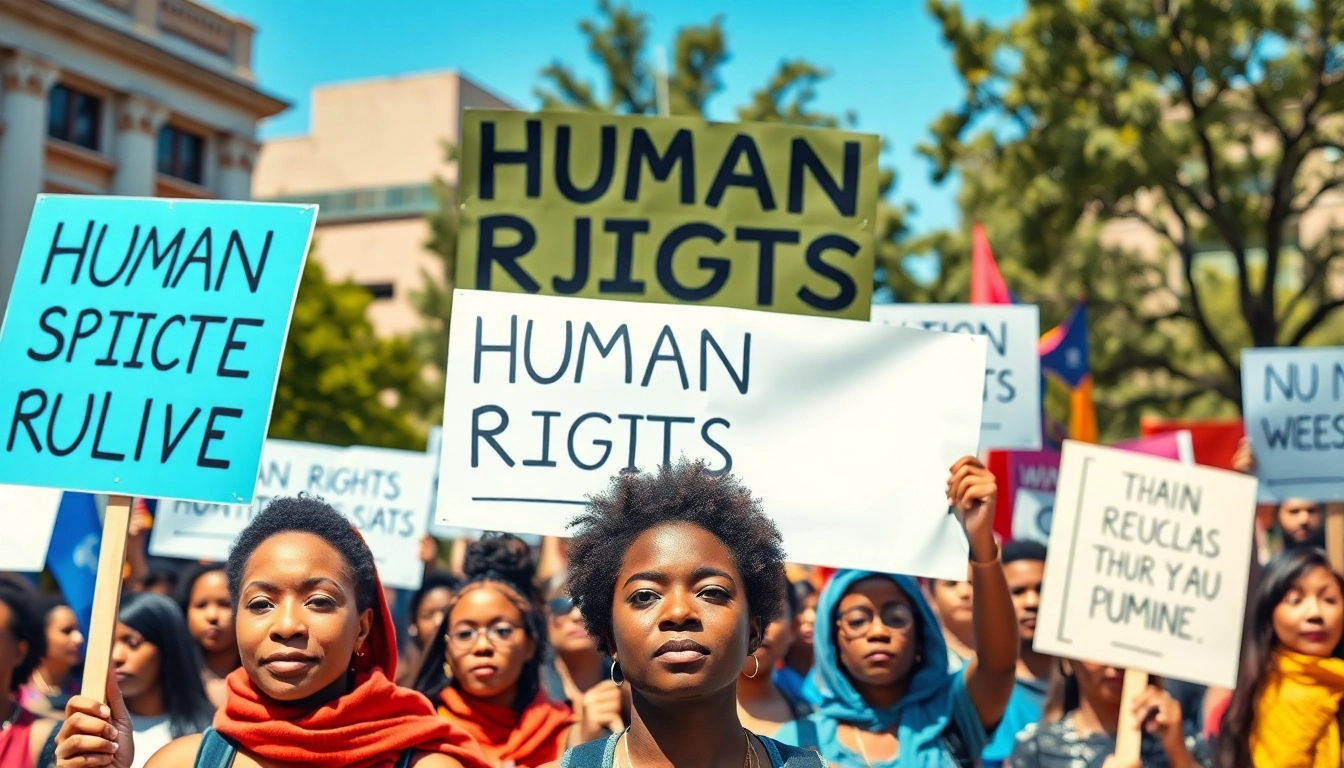
Understanding Human Rights: A Global Perspective
The Definition of Human Rights
Human rights are fundamental rights and freedoms that belong to every person in the world. They are based on shared values like dignity, fairness, equality, respect, and independence. Human rights are universal, inalienable, and indivisible, meaning they apply to everyone regardless of nationality, gender, ethnicity, or any other status. They encompass a range of civil, political, economic, social, and cultural rights, all essential for a life of dignity and freedom. These rights include the right to life, freedom of expression, education, and work, among others. The essence of Human Rights is to protect individuals from abuse and discrimination while promoting fairness in societies.
Historical Context and Evolution
The concept of human rights has undergone significant evolution throughout history. Rooted in ancient philosophies and religions, the modern interpretation began to take shape in the aftermath of World War II. The horrors of the war galvanized the international community to establish a framework for global cooperation and safeguarding individual rights.
In 1948, the Universal Declaration of Human Rights (UDHR) was adopted by the United Nations General Assembly. This landmark document set out fundamental human rights that should be universally protected. Since then, various international treaties and agreements have emerged, solidifying the importance of human rights across diverse contexts and cultures. The journey of human rights has been a continuous struggle for recognition, advocacy, and enforcement on a global scale.
Key International Agreements
Several international treaties and agreements uphold the principles of human rights. Key among these is the International Covenant on Civil and Political Rights (ICCPR), which ensures rights related to freedom of speech, assembly, and religion. Equally significant is the International Covenant on Economic, Social, and Cultural Rights (ICESCR), which guarantees rights related to work, education, and an adequate standard of living. These covenants, along with regional human rights instruments like the European Convention on Human Rights and the African Charter on Human and Peoples' Rights, create a robust framework for enforcing and promoting human rights worldwide.
The Importance of Human Rights in Society
Human Rights and Social Justice
Human rights are intrinsically linked to social justice. They lay the foundation for a society that values equality and inclusivity, helping to combat systemic discrimination and oppression. Recognizing and protecting human rights fosters a more equitable society where everyone can participate fully without fear of harassment or discrimination. Ensuring social justice also involves holding dominant power structures accountable, ensuring that marginalized communities have a voice and their rights recognized.
This link between human rights and social justice is seen in various movements advocating for equality in areas like gender, race, and disability. Successful social movements leverage human rights frameworks to address injustices, using international laws and standards to advance their causes.
Economic Implications of Human Rights
The economic implications of human rights extend beyond moral and ethical considerations. Protecting human rights contributes to economic stability and prosperity. When individuals are guaranteed their rights, they can engage fully in economic activities, which in turn promotes growth and development.
Additionally, countries that uphold human rights often attract foreign investments, which are crucial for economic development. Businesses favor stable environments where the rule of law prevails. Thus, the business case for human rights is clear: respecting and promoting rights can lead to increased productivity, innovation, and sustainable economic practices, driving long-term success for individuals and communities alike.
Cultural Perspectives on Human Rights
Cultural perspectives play a critical role in shaping the interpretation and application of human rights. While the UDHR provides a universal framework, cultures influence how individual rights are perceived and prioritized. For instance, some cultures might emphasize collective rights over individual rights, illustrating the necessity for a nuanced understanding of human rights that respects cultural diversity while striving for common standards.
In recognizing these differences, it is crucial to engage in dialogue that fosters mutual respect and understanding, finding pathways that honor cultural uniqueness while advancing the universal goals of human rights.
Current Challenges to Human Rights
Violations and Global Response
Despite global commitments to uphold human rights, violations continue to plague many nations. Issues such as mass incarceration, torture, censorship, and violence against marginalized groups highlight the persistent threats to human rights. The global community often responds with sanctions, diplomatic pressure, and advocacy campaigns, yet these measures can be inconsistent and sometimes ineffective.
To address these challenges, international cooperation is crucial. Organizations like Amnesty International and Human Rights Watch play pivotal roles in monitoring violations, advocating for victims, and pressing governments to comply with international standards. Building coalitions among states, civil society, and the private sector strengthens responses to human rights abuses globally.
Case Studies of Human Rights Abuses
Analyzing specific case studies of human rights abuses provides valuable insights into the multifaceted nature of these challenges. For example, the ongoing crisis in Syria illustrates how armed conflicts can lead to severe human rights violations, including mass displacement and targeting of civilians. Such scenarios demonstrate the desperate need for international intervention and accountability.
Another case is the treatment of the Rohingya people in Myanmar, who have faced discrimination, violence, and displacement. The global reaction, while highlighting international human rights principles, shows the complexities of implementing effective solutions. These case studies underline the urgency of addressing systematic injustices effectively and the need for continued vigilance and action.
Advocacy and Activism Strategies
Advocacy and activism are vital in the fight for human rights. Grassroots movements often serve as catalysts for change, mobilizing communities and raising awareness about injustices. Effective strategies include lobbying for policy changes, leveraging social media to amplify voices, and documenting violations to build compelling cases for intervention.
Partnerships between NGOs, legal experts, and communities can enhance advocacy efforts. Engaging in campaigns that resonate emotionally and factually with the public creates broader support for human rights initiatives. Education also plays a pivotal role in fostering a culture of awareness, empowering individuals to recognize and defend rights.
How Individuals Can Support Human Rights
Grassroots Movements and Community Engagement
Individuals can significantly contribute to the promotion of human rights through grassroots movements and community engagement. Becoming involved in local initiatives allows individuals to address injustices in their own neighborhoods while fostering a collaborative spirit. Community workshops, awareness campaigns, and collaborative projects can effectively mobilize public sentiment and encourage participation in advocacy efforts.
These initiatives often highlight the importance of local leadership, empowering community members to take ownership of human rights issues that impact them directly. Support for local movements yields broader systemic changes, transforming society incrementally from the ground up.
Using Social Media to Raise Awareness
In the digital age, social media serves as a powerful tool for raising awareness about human rights issues. Platforms like Twitter, Facebook, and Instagram can amplify messages, organize campaigns, and connect like-minded individuals across the globe. Activists leverage these platforms to share stories of injustice, mobilize support, and garner international attention for their causes.
However, the effectiveness of social media activism also depends on content quality and authenticity. Crafting compelling narratives and engaging visuals can draw in audiences and inspire them to take action, whether through sharing posts, participating in events, or contributing financially to causes.
Volunteering and Donations
Volunteering and financial contributions are tangible ways to support human rights organizations and initiatives. Many NGOs rely heavily on volunteers and donations to sustain their operations, conduct advocacy work, and provide services to victims of rights abuses. Individuals can choose to dedicate their time and skills or engage in fundraising activities to support these organizations.
A small donation can significantly impact on-the-ground efforts, helping to maintain programs that protect and advocate for vulnerable populations. The act of giving, whether through time or money, fosters a sense of global solidarity and highlights the interconnectedness of human rights struggles.
The Future of Human Rights: Trends and Predictions
Emerging Issues in Human Rights
The landscape of human rights is constantly evolving, with emerging issues reflecting societal changes and technological advancements. Issues such as digital privacy, climate justice, and the rights of refugees are gaining prominence, reshaping the human rights discourse. As globalization continues to interconnect nations, the need for cooperative strategies to tackle these issues becomes increasingly critical.
Furthermore, marginalized communities, including those affected by new technologies and climate change, necessitate focused attention to ensure their rights are not overlooked. Addressing these challenges requires innovative approaches and multi-faceted collaboration within international frameworks.
The Role of Technology in Advocacy
Technology plays a transformative role in the realm of human rights advocacy. Innovative tools such as blockchain allow for enhanced transparency and accountability, particularly in human rights reporting and monitoring. Data analytics can help organizations track violations and trends effectively, enabling more strategic responses.
Additionally, technology enhances communication channels, enabling activists to reach global audiences rapidly. However, it also poses challenges, including surveillance and digital rights violations, highlighting the necessity of ensuring technology's responsible use within the human rights context.
Global Partnerships and Cooperation
The future of human rights advocacy will rely heavily on global partnerships and cooperation. Collaborative initiatives between governments, international organizations, NGOs, and civil society are crucial for sharing resources, developing best practices, and amplifying efforts to combat injustices. Multilateralism and shared responsibility are essential as human rights challenges increasingly transcend national borders.
Global partnerships can drive meaningful reforms, promote accountability, and stimulate dialogue about human rights norms. By working together, countries and organizations can build resilience and foster a more just world for all.
Frequently Asked Questions
What are human rights?
Human rights are the basic rights and freedoms entitled to every person, including civil, political, economic, social, and cultural rights essential for living with dignity.
How can individuals support human rights?
Individuals can support human rights by advocating for their protection, joining grassroots movements, donating to organizations, and raising awareness through social media.
What are some examples of human rights violations?
Examples include torture, censorship, discrimination based on race or gender, illegal detention, and restrictions on freedom of expression and assembly.
Why are human rights important for economic growth?
Human rights protect individuals' ability to participate in economic activities, promote stability, and attract investment, leading to sustained economic growth.
What trends are emerging in human rights?
Emerging trends include digital privacy issues, climate justice, and an increasing focus on the rights of refugees, requiring adaptive and collaborative responses.