Understanding Shower Screen Door Types
Frameless vs. Framed Shower Screen Door
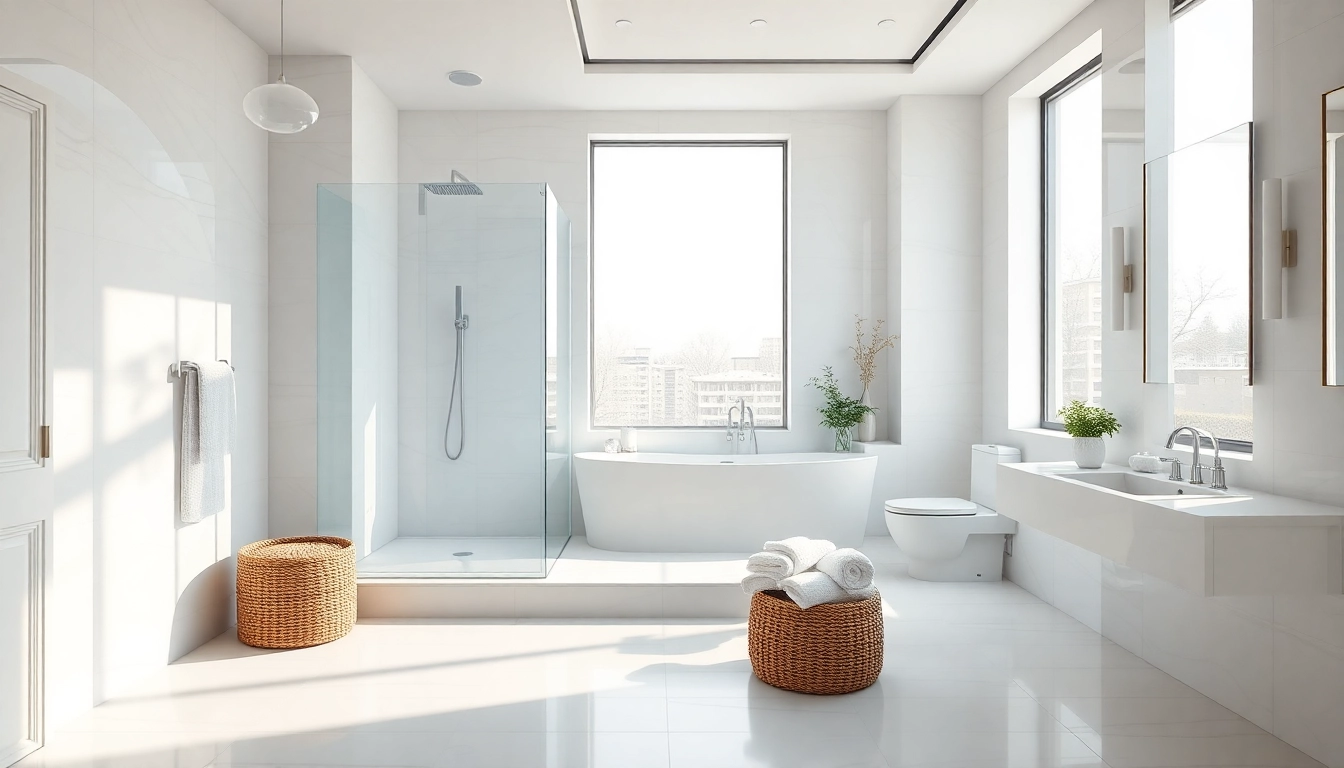
When choosing a shower screen door, one of the first decisions is between frameless and framed designs. Frameless shower screen doors create a sleek, modern look, featuring clear glass panels supported by minimal hardware. This style is perfect for allowing natural light to flow and making the bathroom feel more spacious. However, it may require thicker glass for stability, typically 10mm or more.
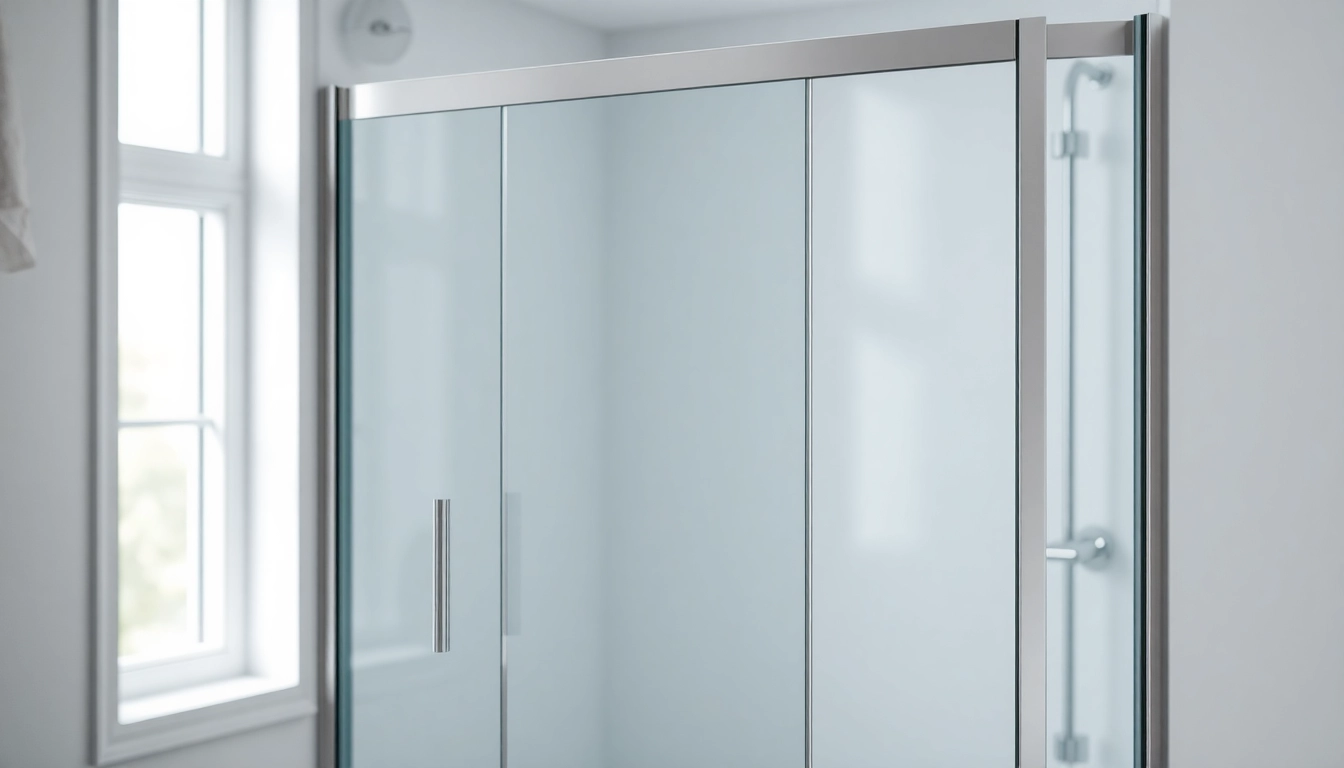
On the other hand, framed shower screen doors offer additional support, making them often more affordable and easier to install. These doors feature metal frames around the glass, which can come in various finishes to complement your bathroom decor. While framed doors may not provide the same luxurious appearance as frameless, they are often more versatile in design and more forgiving when it comes to water leakage.
Sliding vs. Hinged Shower Screen Door
Another essential distinction is between sliding and hinged options. Sliding shower screen doors operate on a track, allowing them to glide open and closed without requiring additional space outside the shower enclosure. This makes them an excellent choice for smaller bathrooms where space is a premium. They tend to have a seamless look when closed, making for a tidy aesthetic.
Conversely, hinged shower screen doors swing outward, which requires more space but can be easier to enter and exit. This type usually features a cleaner design with no visible tracks, contributing to a more open feel in the bathroom. It's crucial to measure the available space carefully when considering a hinged door, as it needs enough clearance to swing effectively.
Choosing Glass Thickness for Your Shower Screen Door
The thickness of the glass in your shower screen door significantly impacts its durability, safety, and overall appearance. Most shower screen doors are available in thicknesses ranging from 6mm to 12mm. For frameless designs, a minimum thickness of 10mm is advisable to ensure structural integrity.
Thicker glass provides better sound insulation and a sturdier feel, but it also tends to be heavier and may increase installation costs. Thinner glass can be a viable option for framed doors where the structure helps distribute the weight and provides added security. Ultimately, the choice of glass thickness should align with your design preferences, bathroom size, and budget considerations.
Benefits of Installing a Shower Screen Door
Enhancing Bathroom Aesthetics with a Shower Screen Door
One of the most immediate benefits of installing a shower screen door is the enhancement of the overall aesthetics of your bathroom. The transparency of glass shower screen doors gives them an airy, modern look that can elevate any bathroom design. Frameless options, in particular, serve to visually expand the space, creating a seamless transition between the shower area and the rest of the room.
In addition, glass can be customized with various finishes or patterns, allowing you to tailor the design to match the rest of your decor. Incorporating a well-chosen shower screen door can serve as a focal point or harmonize with existing elements, such as tiles and fixtures. This flexibility makes them highly appealing to homeowners looking to add value to their homes.
Improved Safety Features of a Shower Screen Door
Safety is another prominent benefit of installing a shower screen door. Unlike shower curtains that can easily be displaced, a properly installed glass door creates an enclosed barrier, preventing water from escaping onto the bathroom floor. This minimizes slip hazards during and after showers, particularly for families with young children or elderly members.
Modern shower screen doors are made from tempered glass, which is more robust than standard glass. In the event of breakage, tempered glass shatters into small pieces rather than sharp shards, reducing the risk of injury. When combined with a well-designed enclosure system, the safety benefits of shower screen doors can contribute significantly to a secure bathroom environment for everyone.
Maintenance Tips for Your Shower Screen Door
Maintaining the clarity and functionality of your shower screen door is crucial for preserving its aesthetic appeal and longevity. Regular cleaning is essential to prevent limescale buildup and soap scum, which can dull the glass and create an unappealing look. Use a mixture of vinegar and water or a mild commercial cleaner specifically designed for glass surfaces. Avoid abrasive scrubs that may scratch the glass.
In addition to routine cleaning, it's wise to check seals and hinges periodically. Ensuring they are in good condition can prevent leaks and maintain functionality over time. For framed doors, wipe down the frame with a soft cloth to remove moisture and prevent corrosion.
Installation Process of a Shower Screen Door
Preparation Steps for Shower Screen Door Installation
Installing a shower screen door begins with careful preparation. Before any physical work, it's essential to measure the shower space accurately. Consider the type of door you wish to install and the space available for swinging or sliding. Remember to account for any wall protrusions, fixtures, or requirements for door clearance.
Choose your materials and style based on the measurements taken, and ensure that you have all necessary permits if required. To properly prepare the installation site, clean the area thoroughly to prevent any debris from interfering with the installation. This preparation sets the stage for a smooth and efficient installation process.
Tools Required for Installing a Shower Screen Door
Having the right tools is crucial for a successful shower screen door installation. Common tools include a drill, level, screwdriver, measuring tape, and safety goggles. If you are installing a sliding door, you will also need a track cutter and possibly a silicone sealant gun to prevent leaks. Ensuring you have all materials and tools ready will streamline the installation process and allow you to troubleshoot any issues that arise.
Common Mistakes to Avoid During Installation of Shower Screen Door
Several common mistakes can hinder the installation of a shower screen door. One major error is improper measurement, which may lead to ill-fitting doors that do not function correctly. Always double-check all measurements before purchasing materials.
Another mistake involves neglecting to check the leveling of the walls, which may result in doors that do not close properly or create gaps. Ensure your frame is correctly aligned, and if necessary, use shims to level it out. Lastly, rushing through the sealing process can lead to leaks; take the time to apply silicone sealant carefully and let it cure fully before using the shower.
Shower Screen Door Design Trends
Popular Styles for Modern Bathrooms with Shower Screen Door
As styles evolve, so do the trends in shower screen doors. Currently, minimalistic design remains popular, featuring clean lines and understated hardware. Black-framed doors are gaining traction, creating a sharp contrast against neutral tiles, while matte finishes offer a contemporary twist.
Textured glass, such as frosted or etched options, adds an element of privacy without sacrificing style. Additionally, integral shelves or built-in storage within the door frame are becoming more common, providing functionality without compromising aesthetics.
Creating a Spa-like Ambiance with a Shower Screen Door
For those who desire a spa-like ambiance in their bathrooms, shower screen doors can play a pivotal role. Using clear glass paired with soft lighting allows for a sense of calm and openness. Incorporating natural elements, such as wooden accents or potted plants alongside your glass features, can enhance the tranquil feel.
Moreover, bench seating within the shower space contributes to relaxation during bathing, making the overall experience feel more indulgent. Consider integrating rain shower heads and water features to elevate the spa experience even further.
Incorporating Smart Features with Your Shower Screen Door
Today's homeowners are increasingly integrating smart technology into their bathrooms, and shower screen doors are no exception. Features such as automatic closing mechanisms, digital temperature controls, and steam-proof mirrors can provide added convenience. Installation of smart lighting within the shower enclosure can also create an inviting atmosphere and enhance the overall user experience.
Another innovation is the use of self-cleaning or anti-fog coatings on shower screen doors, reducing the need for maintenance while improving visibility in steamy environments. As smart home technology advances, incorporating these features only adds to the contemporary aesthetic and user-friendly experience.
Frequently Asked Questions About Shower Screen Doors
What materials are shower screen doors made from?
Shower screen doors are usually made from tempered glass, which is safer than regular glass. Some designs may also include metal frames for reinforcement and durability.
How to clean a shower screen door effectively?
Use a mixture of equal parts vinegar and water, applying it with a soft cloth. For tougher stains, opt for a commercial glass cleaner but avoid abrasive products to prevent scratches.
Are shower screen doors safer than shower curtains?
Yes, shower screen doors create a more secure barrier against water escape, reducing slip hazards while providing a more durable and stylish option than shower curtains.
Can I install a shower screen door myself?
While it's possible to install a shower screen door yourself, it requires careful measurement and basic DIY skills. Refer to manufacturer instructions to avoid common mistakes.
How do I choose the right size for my shower screen door?
Measure the height and width of your shower opening accurately. Consider the door type (hinged or sliding) and ensure that there's sufficient clearance for hardware and operation.