

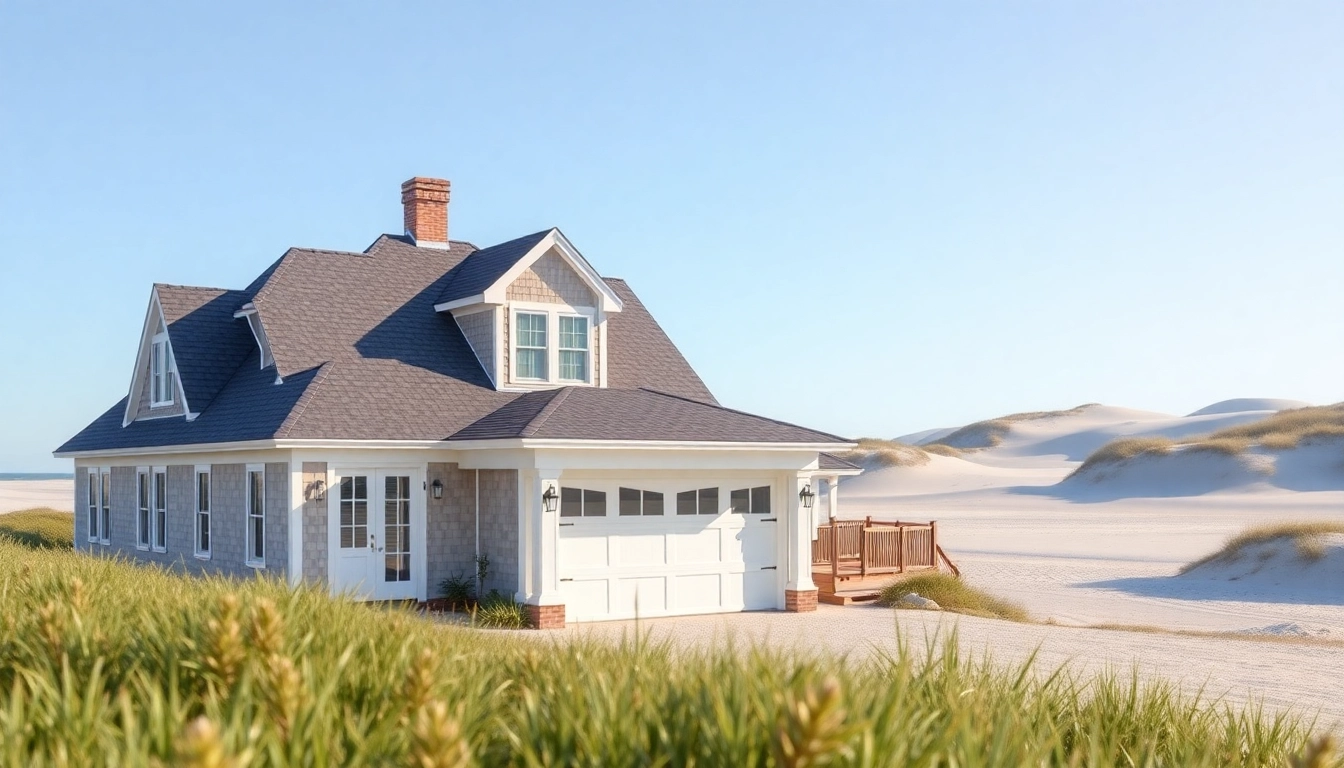
Understanding Cape Cod Home Design
The charm of a cape cod home design is rooted in its rich history and rustic simplicity. Originating in New England, these homes are characterized by their steep roofs, dormer windows, and symmetrical façades. They evoke a sense of warmth and comfort that is hard to replicate in modern architecture. As more homeowners look to expand or renovate these beloved structures, understanding their unique characteristics and relevant design elements becomes essential.
Characteristics of a Cape Cod Home
The defining features of a cape cod home offer an authentic aesthetic that resonates with many. These designs typically exhibit the following elements:
- Steeply Pitched Roofs: The iconic gabled roof allows for efficient water runoff and snow shedding, making them practical for New England climates.
- Dormer Windows: Often designed to enhance natural light and usable attic space, dormers present a charming silhouette.
- Symmetrical Facades: A classic allure is maintained through balanced proportions between windows, doors, and overall structure.
- Wood Siding: Traditionally painted in muted colors, clapboard or shingle siding gives a rustic yet polished appearance.
- Simple Layouts: Open floor plans maximize utility, connecting rooms while promoting easy flow throughout the home.
Benefits of the Cape Cod Style
The appeal of cape cod homes extends beyond their visual charm. Homeowners appreciate their numerous practical benefits:
- Energy Efficiency: The compact shape and design promote better insulation, leading to lower energy bills.
- Timeless Aesthetic: The classic style transcends trends, ensuring lasting appeal and potential resale value.
- Low Maintenance: The straightforward design often requires less upkeep, making it ideal for busy homeowners.
- Versatile Spaces: Traditional layouts are adaptable, allowing for both small and expansive family configurations.
Integrating Modern Features
Modern amenities and sustainable features can seamlessly blend with the traditional aesthetics of a cape cod home. Considerations could include:
- Smart Home Technology: Incorporate lighting, temperature control, and security systems that enhance comfort and efficiency.
- Updated Materials: Use contemporary insulation or eco-friendly siding without compromising the home’s historical essence.
- Open Floor Plans: Emphasize spaciousness and flow by removing non-structural walls to create a more connected living environment.
Expanding Your Cape Cod Home
As families grow and lifestyles evolve, many seek to expand their cape cod homes to accommodate changing needs. Here are foundational steps to consider during this process.
Planning an Attached Garage
Additions like an attached garage can enhance both functionality and curb appeal. When planning your garage, consider these factors:
- Design Harmony: Ensure that the garage complements the existing style of your cape cod home to maintain a cohesive look.
- Accessibility: Plan the garage’s placement for ease of access to the main house, especially during inclement weather.
- Storage Options: Include additional storage solutions that can reduce clutter while maximizing usable space.
Choosing the Right Design and Materials
When expanding, selecting the appropriate design elements and materials is crucial for a successful addition:
- Architectural Consistency: Use similar roofing, siding, and window styles to ensure the expansion appears as a natural part of the original home.
- Quality Materials: Invest in durable and high-quality materials that withstand the test of time while matching the home’s aesthetics.
- Color Matching: Choose paint or stain colors that harmonize with the existing facade to avoid a disjointed appearance.
Common Expansion Mistakes to Avoid
While the idea of expanding a cape cod home can be exciting, certain common pitfalls can affect the outcome:
- Ignoring Local Regulations: Always check zoning laws and building codes to ensure your plans comply with municipal regulations.
- Overlooking Structural Integrity: Consult with professionals to make sure your home can bear additional weight and modifications.
- Forgetting the Budget: Set a realistic budget and account for unforeseen expenses during the expansion process.
Design Inspirations for Your Cape Cod Home
Whether planning an expansion or refreshing your existing space, consider unique design inspirations that embody the spirit of cape cod homes.
Exterior Color Schemes
The color palette of a cape cod home plays a significant role in its visual appeal. Popular color schemes include:
- Shades of Blue: Soft or bold blues mimic the ocean, creating an inviting vibe.
- Muted Neutrals: Creams and taupes provide a timeless backdrop that complements nature.
- Contrasting Trim: White or darker trims can create attractive contrasts, highlighting architectural features.
Landscaping Ideas
Surrounding your cape cod home with lush landscaping enhances outdoor beauty:
- Native Plantings: Use local flora to connect with the natural environment while reducing maintenance.
- Walkways and Patios: Stone paths and brick patios provide functional outdoor spaces for relaxation and entertaining.
- Seasonal Color: Incorporate plants that bloom at different times to ensure perennial beauty year-round.
Creating Outdoor Living Spaces
Outdoor areas can expand the living space and enhance enjoyment. Consider these key elements:
- Decking and Patios: Construct areas for gathering, dining, or creating a cozy outdoor retreat.
- Fire Pits: A fire pit offers a perfect spot for family gatherings in the cooler months.
- Outdoor Lighting: Use ambient and task lighting to create a welcoming atmosphere after dusk.
Practical Considerations for Home Expansion
Every expansion involves decision-making that can greatly influence the project outcome. Here are essential aspects to consider.
Building Regulations and Permits
Understanding local regulations is crucial to any expansion project. Before beginning construction:
- Research Local Codes: Familiarize yourself with residential codes, zoning laws, and neighborhood guidelines.
- Apply for Permits: Ensure all necessary permits are secured to avoid costly fines or required alterations later.
- Consult Professionals: Engineers and architects can help navigate regulations, ensuring compliance without compromising design.
Budgeting for Your Project
A well-planned budget is key to any home expansion. Here’s how to create one effectively:
- Itemized Estimates: Get quotes from contractors for labor and materials to understand overall costs.
- Budge for Contingencies: Set aside at least 10-15% of the overall budget for unexpected expenses.
- Long-Term Investments: Consider spending on durable and efficient materials that may save money over time.
Hiring the Right Professionals
Selecting the right team is crucial for a successful project. Keep the following in mind:
- Research Credentials: Look for licensed and insured professionals with experience in cape cod home renovations.
- Check References: Ask for reviews or testimonials from previous clients to gauge satisfaction and performance.
- Communicate Clearly: Discuss project goals and expectations upfront to ensure alignment throughout the execution.
FAQs About Cape Cod Homes
What defines a Cape Cod home?
A Cape Cod home is defined by its steeply pitched roofs, dormer windows, symmetrical facades, and use of wood siding, often in muted colors.
How can I maintain the charm of a Cape Cod home?
Maintain charm by preserving original architectural elements, using quality materials, and adhering to traditional designs in renovations.
What permits do I need for home expansion?
Permits vary by location but generally include building permits and possibly zoning approvals. It’s essential to consult local regulations.
Can I customize the design of my attached garage?
Yes, you can customize the design to match your home’s aesthetics while ensuring structural integrity and functionality.
What is the average cost of expanding a Cape Cod home?
The cost of expansion varies widely based on size, materials, and location, but homeowners should expect to budget significantly for quality work.