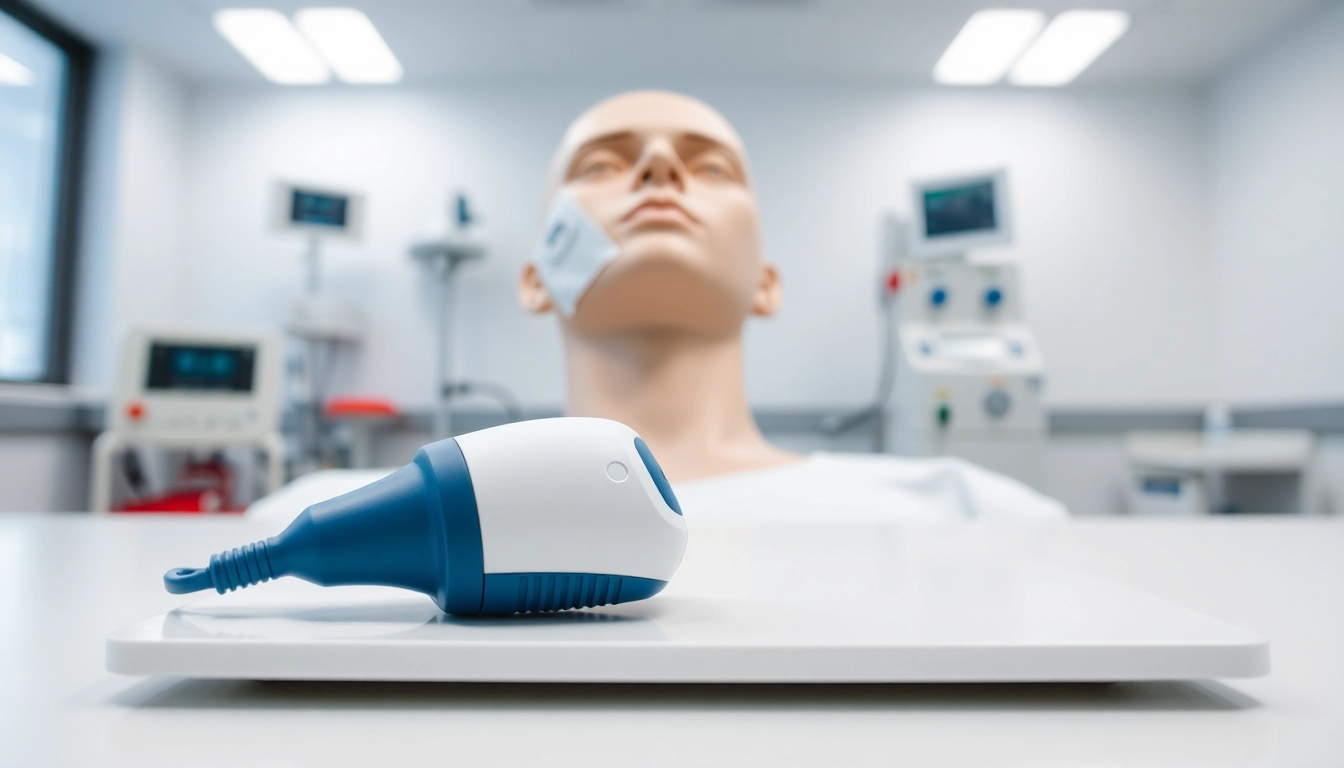
Understanding Choking Hazards
Choking remains one of the leading causes of injury and death in various age groups, particularly in children and the elderly. Understanding the risks associated with choking hazards is crucial for preventing potentially tragic outcomes. Choking devices play a pivotal role in mitigating these risks by providing immediate help during choking incidents. This comprehensive guide delves into the causes of choking, at-risk populations, and how to recognize the symptoms to ensure swift action when it matters most.
1. Common Causes of Choking
Choking occurs when a foreign object becomes lodged in the throat or windpipe, obstructing airflow. Some of the most common causes include:
- Food Items: Foods such as hot dogs, nuts, grapes, and chunks of meat are frequent culprits, especially when not chewed properly.
- Small Objects: Items like coins, toys, and button batteries pose significant choking hazards, especially for young children.
- Medical Conditions: Certain health conditions, including neurological disorders and respiratory issues, can impair swallowing mechanisms.
- Aging Factors: Older adults may struggle with chewing due to dental issues or slowed reflexes, increasing their choking risk.
2. At-Risk Populations
Certain groups are particularly susceptible to choking incidents. Understanding these populations can help in tailoring prevention strategies and emergency responses:
- Infants and Toddlers: Young children frequently explore their environment and may unintentionally put hazardous items in their mouths.
- The Elderly: Older adults often face physical changes that affect their ability to chew and swallow, leading to a higher choking risk.
- Individuals with Disabilities: Some cognitive and physical disabilities complicate safe eating or dealing with choking situations effectively.
3. Identifying Choking Symptoms
Recognizing the symptoms of choking is crucial for timely intervention. Common indicators include:
- Inability to Speak: If a person is unable to make sounds, they may be choking.
- Coughing or Gagging: These reflexes can indicate that the airway is partially blocked.
- Distress Signals: Clutching the throat and panic in facial expressions are significant signs of choking.
- Color Changes: A bluish tint to the lips or skin can signify a lack of oxygen.
Types of Choking Devices
Choking devices are designed to assist rescuers in clearing a person’s airway. There are various types available in the market, serving different needs and situations.
1. Manual vs. Automated Devices
Choking devices can be categorized into manual and automated types:
- Manual Devices: These require the direct involvement of a user to perform functions such as suction or airway clearance. Examples include rescue breathing masks and manual suction devices.
- Automated Devices: These devices operate with minimal user intervention and sometimes use sensors to detect blockages and deliver the appropriate responses, enhancing the efficiency of choking relief.
2. Essential Features of Effective Devices
When choosing a choking device, several features can enhance its effectiveness:
- Simplicity of Use: Devices should be straightforward and intuitive, allowing bystanders to act quickly in emergency situations.
- Portability: They should be easy to carry and accessible, particularly in environments where choking incidents are likely to occur, such as restaurants and schools.
- Durability: High-quality materials should be used to ensure devices withstand multiple uses and are easy to clean.
- Compatibility: Devices should be suitably sized for various age groups and easy to adapt to individual needs.
3. Comparing Popular Choking Devices in the Market
Several choking devices have gained popularity due to their reliability and effectiveness. A few notable examples include:
- BVM (Bag-Valve-Mask): Commonly used in medical emergencies, this device assists in delivering positive pressure breathing.
- Heimlich Manoeuvre Training Devices: These simulate real-life scenarios to help individuals practice proper techniques for assisting choking victims.
- Portable Suction Units: These are crucial in settings where choking may happen due to food or other organic materials and are often employed in hospitals and care facilities.
Best Practices for Device Use
While possessing a choking device is an essential step, knowing how to use it effectively is equally important. Here are some best practices:
1. Training for Optimal Performance
Regular training is critical for ensuring that individuals can utilize choking devices effectively during emergencies:
- Hands-On Training: Participants should practice with real devices in simulated scenarios to build muscle memory and confidence.
- Emergency Drills: Regularly scheduled drills in organizations, schools, and community groups can help maintain readiness and reinforce learning.
- Online Courses: Various online platforms offer courses focusing on choking hazards and handling situations effectively. These can complement hands-on training.
2. Guidelines for Emergency Situations
When a choking incident occurs, a clear set of guidelines can facilitate timely and effective responses:
- Stay Calm: Calmness can help to control the situation and reassure the choking victim.
- Call for Help: In urgent situations, contacting emergency services should be a priority.
- Follow Protocols: Utilize the choking device according to established protocols— this could include assessing the severity of choking and applying appropriate methods to relieve it.
3. Regular Maintenance and Safety Checks
Choking devices can lose effectiveness over time if not maintained properly:
- Routine Inspections: Perform regular checks to ensure devices are functioning appropriately and that all components are present.
- Cleaning and Sterilization: Follow manufacturer guidelines for cleaning to prevent contamination and maintain safety.
- Replacement of Parts: Identify and replace any damaged parts, such as membranes in suction devices, as needed.
Legal and Compliance Considerations
Incorporating choking devices into emergency response frameworks often comes with legal and compliance responsibilities. Understanding these aspects is paramount for health facilities and organizations.
1. Understanding Local Regulations
It's essential for users of choking devices to be familiar with regional laws and regulations that dictate their use:
- Licensing Requirements: Some areas may require specific licenses for organizations to administer emergency health measures.
- Regulatory Compliance: Adherence to health and safety regulations ensures liability and legal protections are maintained across institutions.
2. Ensuring Compliance for Health Facilities
Health facilities must follow stringent guidelines regarding the selection and training of medical staff:
- Staff Training Programs: Facilities should implement consistent training sessions with a focus on choking response protocols.
- Documentation of Compliance: Keeping records of training, device maintenance, and incidents can protect facilities from potential legal issues.
3. Importance of Certification and Training
Certification for staff members enhances the effectiveness of emergency responses:
- Accredited Training: Look for training programs that are accredited by recognized bodies to ensure they meet industry standards.
- Continuous Education: Certification should include updates and refresher courses to adapt to evolving best practices.
Evaluating Device Effectiveness
Measuring how effective a choking device is can help organizations determine its value and readiness for emergencies.
1. Performance Metrics to Consider
When assessing choking devices, evaluate them against specific performance metrics:
- Success Rate: Analyze past records to determine how often the device effectively resolved choking situations.
- Response Time: Timing is vital in choking scenarios; measure how quickly devices can be deployed and how rapidly they can relieve symptoms.
- User Feedback: Gathering insights from trained personnel can highlight areas of improvement and device reliability.
2. Feedback from Training Sessions
Soliciting feedback from training participants can enhance performance and device use:
- Anonymous Surveys: Conduct surveys post-training to evaluate confidence levels and perceived obstacles in using choking devices.
- Group Discussions: Facilitate discussions to gather thoughts and suggestions from users to improve training and device usability.
3. Case Studies Illustrating Successful Use
Examining real-life scenarios where choking devices have been successfully utilized can provide valuable insights:
- Hospital Reports: Reviewing cases shared by hospitals that recount successful choking responses can help highlight effective practices.
- Workplace Training Outcomes: Organizations sharing outcomes after implementing regular training programs can demonstrate the tangible benefits of preparedness with choking devices.
This comprehensive exploration of choking hazards and choking devices aims to arm individuals and organizations with the knowledge they need to act confidently in emergencies. By understanding the mechanics behind choking, familiarizing with effective devices, and implementing best practices, we can collectively reduce the risks associated with choking incidents.