Understanding Ceramic Window Tint
What is Ceramic Window Tint?
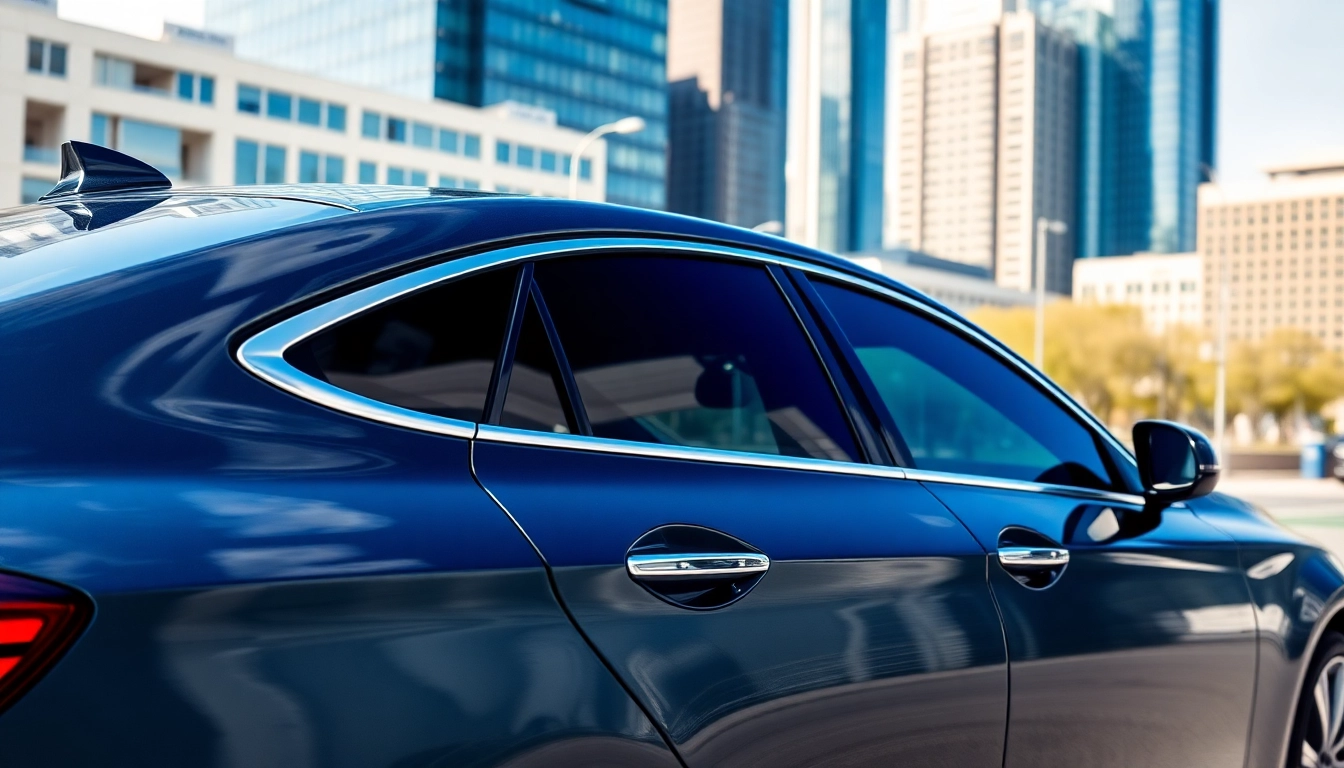
Ceramic window tint is a cutting-edge window film technology designed to enhance visibility and comfort while providing superior protection against UV rays and heat. Unlike traditional window films made from dyed or metal materials, ceramic window tint utilizes non-metallic ceramic particles. This allows it to reduce solar heat and glare without compromising the natural light that enters a vehicle or home.
The composition of ceramic window tint provides it with unique properties that not only enhance durability but also improve aesthetics. This tint is engineered to block a significant percentage of harmful UV rays—up to 99%—while allowing visible light to penetrate, making it an excellent option for those who want to enjoy natural sunlight without the negative effects of intense heat or UV exposure. For optimal comfort and protection, many homeowners and vehicle owners choose ceramic window tint.
How It Differs from Other Tints
When comparing ceramic window tint to other film types such as dyed, metalized, or hybrid films, several key differences become evident. Dyed films primarily rely on color to absorb heat and block UV rays, which can lead to fading over time. Metalized films, on the other hand, can interfere with electronic signals, making them less suitable for modern vehicles equipped with advanced technology.
Ceramic window tints stand out due to their ability to block thermal energy without the use of metals. This means they do not interfere with signals from GPS, cell phones, or satellite radio. Furthermore, ceramic films are generally more resistant to scratches and other forms of damage, extending their lifespan compared to their counterparts. Thus, while other films may offer some benefits, the performance, clarity, and longevity of ceramic window tint make it a superior choice for many consumers.
Benefits of Using Ceramic Window Tint
Choosing ceramic window tint provides numerous advantages. Firstly, it enhances energy efficiency by significantly reducing heat build-up, which can lead to lower energy bills in both vehicles and homes. By maintaining a more stable interior temperature, ceramic window tint can consequently reduce the load on air conditioning systems, prolonging their lifespan.
Secondly, ceramic window tint improves safety and privacy. The increased opacity allows for greater privacy while also safeguarding against potential break-ins. Additionally, the film can help hold shattered glass together in the event of an accident, reducing the risk of injury from shards.
Finally, the aesthetic value of ceramic window tint cannot be overlooked. It provides a sleek and modern appearance, transforming the look of your car or home while offering the practical benefits of reduced glare and enhanced comfort.
Performance Advantages of Ceramic Window Tint
Heat Resistance and Energy Savings
One of the most notable performance advantages of ceramic window tint is its exceptional heat resistance. By effectively blocking a substantial percentage of the sun's infrared rays, this tint helps maintain a cooler interior environment. This feature is particularly beneficial during hot summer months when temperatures can rise significantly inside vehicles or homes.
In terms of energy savings, studies indicate that homes equipped with ceramic window tint can experience significant reductions in cooling costs. By minimizing the reliance on air conditioning, homeowners can expect lower energy bills, resulting in not only financial savings but also a reduced carbon footprint.
UV Protection and Skin Health
Exposure to UV radiation can lead to a myriad of health issues, including skin cancer and premature aging. Ceramic window tint offers a practical solution by blocking nearly all harmful UV rays. This level of protection is especially important for individuals who spend a considerable amount of time in their vehicles or near windows at home.
Furthermore, protecting your skin from UV rays extends beyond safety; it can also preserve the interior of your vehicle or home. By preventing fading and cracking of upholstery and furnishings, ceramic window tint serves as an investment that contributes to the longevity of your property’s interior.
Enhanced Privacy Features
Ceramic window tint provides enhanced privacy without sacrificing visibility. The film design helps obscure the view from the outside while allowing those inside to see clearly outside. This feature is particularly appreciated in urban environments where potential prying eyes could create security concerns.
Moreover, the privacy offered by ceramic window tint can discourage theft and vandalism, making it an appealing choice for vehicle owners seeking to protect their belongings. With its combination of style and substance, this tint efficiently addresses modern privacy needs.
Installation Process for Ceramic Window Tint
Choosing the Right Professional Installer
Finding the right professional installer is crucial for ensuring a successful ceramic window tint application. Start by researching local tinting service providers and reading customer reviews. Look for installers with a solid reputation and experience specifically with ceramic window tint, as this type of film requires precise handling during installation.
It's also beneficial to seek out certifications or affiliations with industry organizations, which can be a mark of quality. Consultations before the installation can help you gauge the technician's knowledge and your own comfort level with their services, so be sure to ask questions about their approach, warranties, and post-installation care.
DIY vs. Professional Application
While some may consider a DIY approach to installing ceramic window tint, the intrinsic properties of this product make a professional installation advisable. Experts have the necessary equipment and expertise to ensure that the tint is applied without air bubbles, misalignments, or other flaws that can diminish its performance and appearance.
Moreover, professional installers often provide warranties on their work, which offers peace of mind that further alleviates the risks associated with a DIY installation. For those without the technical background, the potential for errors could negate the many benefits that ceramic window tint affords.
Post-Installation Care Tips
Proper care following installation is crucial to maintaining the effectiveness and appearance of ceramic window tint. It's recommended to wait at least 48 hours before rolling down windows to allow the tint to fully adhere to the glass. During this time, avoid cleaning the windows to prevent disruption of the tinting material.
Once the initial waiting period has passed, use a soft cloth or microfiber towel with a gentle cleaning solution to clean the tinted surfaces. Avoid ammonia-based cleaners, as they can degrade the tint over time. Regular maintenance ensures optimal performance and enhances longevity.
Comparing Costs: Ceramic Window Tint vs. Other Types
Long-Term Savings Consideration
While the initial investment for ceramic window tint may be higher than that of conventional window films, considering the long-term savings and benefits provides a compelling case for its value. The energy savings resulting from reduced heat build-up can lead to substantial reductions in cooling costs over time, making ceramic window tint a sound financial decision.
Additionally, the durability of ceramic window tint means you won’t need to replace it as frequently as other types. Its resistance to fading and scratching ensures that it will maintain its appearance and effectiveness for years to come, further enhancing its overall value.
Initial Pricing Overview
The starting price for ceramic window tint can vary based on factors such as vehicle size, the tint darkness chosen, and the installation service provider. Generally, ceramic tint can range from $300 to $800 for a full vehicle instalment, while residential installations might be priced similarly or slightly higher depending on the complexity of the job and the square footage treated. However, the upfront cost should be viewed as an investment in comfort, privacy, and protection.
Value vs. Durability
Ceramic window tint strikes a unique balance between value and durability. Unlike dyed or metalized films, which can degrade in performance and aesthetics over time, ceramic films are engineered to withstand various environmental conditions, ensuring they do not peel, bubble, or fade. This increased durability adds to their overall value as they remain effective for many years, making them a worthwhile consideration for both vehicles and homes.
Frequently Asked Questions About Ceramic Window Tint
How long does ceramic window tint last?
Ceramic window tint can last anywhere from 10 to 20 years, depending on the quality of the film and proper installation and care.
Can ceramic window tint reduce glare?
Yes, ceramic window tint effectively reduces glare by blocking sunlight while still allowing natural light to filter through, providing comfort without sacrificing visibility.
Is ceramic window tint legal?
Ceramic window tint is legal in most regions but regulations regarding darkness and placement may vary, so it's essential to check local laws before installation.
Will ceramic window tint affect my car's warranty?
Professional installation of ceramic window tint typically does not void vehicle warranties, but it's wise to check with your dealership for specific terms.
How can I care for my ceramic window tint?
To maintain ceramic window tint, avoid ammonia-based cleaning products, wait 48 hours after installation before rolling down windows, and clean gently with a soft, non-abrasive cloth.