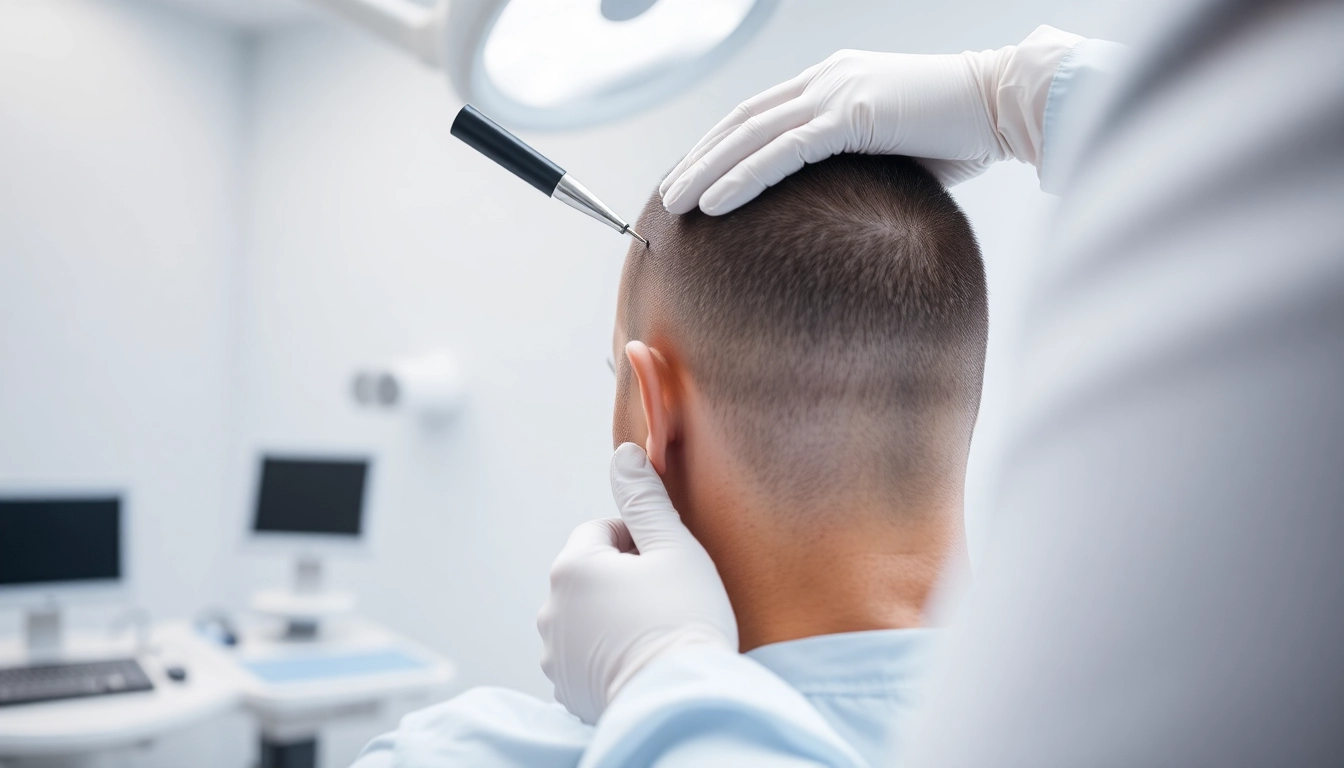
Understanding Hair Transplants: A Comprehensive Guide
The journey through hair restoration is increasingly becoming a common reality for many individuals facing hair loss. A hair transplant serves as a permanent solution that allows people to regain their confidence and appearance. This article will delve deep into the different aspects of hair transplants, from techniques and benefits to costs and what to expect during the process.
What is Hair Transplant?
Overview of Hair Transplant Techniques
A hair transplant is a surgical procedure that transfers hair follicles from one part of the body, known as the "donor site," to bald or thinning areas, referred to as the "recipient site." Over the years, the techniques used have evolved significantly, with two primary methods now dominating the industry: Follicular Unit Extraction (FUE) and Follicular Unit Transplantation (FUT).
FUE involves extracting individual hair follicles from the donor area and implanting them into the balding parts. This method is minimally invasive, often resulting in less scarring and quicker recovery. On the other hand, FUT involves removing a strip of skin from the scalp, which is then dissected into follicular units for transplantation. Though this method might leave a scar, it enables the harvesting of more grafts in a single session, making it suitable for larger areas of hair loss.
Common Reasons for Hair Transplant
The reasons for seeking a hair transplant vary widely among individuals. Some of the most prevalent causes include:
- Genetic Factors: Conditions like androgenetic alopecia, commonly referred to as male or female pattern baldness, are primary reasons.
- Medical Conditions: Conditions such as alopecia areata, thyroid disease, or scarring due to injury can lead to hair loss.
- Hormonal Changes: Hormonal fluctuations, especially those experienced during pregnancy or menopause, can also contribute to thinning hair.
- Stress: Mental or physical stress can cause temporary hair loss, prompting individuals to consider transplants for recovery.
Differences Between FUE and FUT Methods
Understanding the differences between FUE and FUT is crucial for making an informed decision. While FUE is less invasive and leaves minimal scarring, it may require more time to complete due to the meticulous nature of the extraction. Conversely, FUT can yield a higher number of grafts in a shorter timeframe but comes with the trade-off of a linear scar. Patients should consider their hair loss severity and personal preferences when choosing a technique.
Benefits of Hair Transplant
Permanent Solution for Hair Loss
One of the primary advantages of a hair transplant is its permanence. Once the hair follicles are successfully transplanted to the recipient site, they begin to grow in their new location, typically continuing to grow for a lifetime. This long-term solution differentiates hair transplants from other temporary treatments like medications or topical solutions that require ongoing use.
Improved Self-Confidence and Appearance
For many, the effects of hair loss can be deeply unsettling, affecting self-esteem and social interactions. A successful hair transplant can significantly enhance one's appearance, leading to improved self-confidence. Numerous studies indicate that individuals who undergo hair restoration procedures report heightened self-esteem and overall satisfaction with their appearance.
Minimal Maintenance Required
Once the transplanted hair settles and begins to grow, minimal maintenance is required compared to other hair loss treatments. Patients can treat their transplanted hair just like their existing hair: shampooing, styling, and caring for it without special products or treatments. This simplicity adds to the appeal of undergoing a hair transplant.
What to Expect During a Hair Transplant?
Pre-Procedure Consultation
The journey to a hair transplant begins with a comprehensive pre-procedure consultation. During this initial appointment, a specialist will assess the patient's hair loss pattern, discuss medical history, and define realistic expectations. It is essential for patients to be transparent about their goals and concerns, ensuring that the chosen method aligns with their unique needs.
The Surgical Process Explained
On the day of the procedure, the chosen technique (FUE or FUT) dictates patient experience:
- FUE Procedure: After ensuring the scalp is numb through local anesthesia, individual hair follicles are harvested using a small punch tool. These follicles are then implanted directly into the recipient site.
- FUT Procedure: Local anesthesia is administered, and a strip of skin from the donor area is excised. The strip is then dissected into individual follicular units for transplantation into the balding areas.
The entire surgical process typically lasts between 4 to 8 hours, depending on the number of grafts required. Once completed, a bandage is placed on the scalp, and post-operative care instructions are provided.
Post-Procedure Recovery Timeline
Recovery from a hair transplant is relatively straightforward. Most patients can resume normal activities within a few days, although it's advisable to avoid strenuous activity for a week or so. Initial swelling may occur, and the transplanted hair may shed after a few weeks—this is a normal part of hair growth. New hair growth typically starts within 3 to 4 months.
Cost of Hair Transplant
Factors Affecting Hair Transplant Costs
The cost of a hair transplant can vary significantly due to several factors:
- Geographic Location: Prices differ widely depending on the country and city, with urban centers often being more expensive.
- Technique Used: Generally, FUE is more expensive than FUT due to the technology and time required for individual follicle extraction.
- Experience of the Surgeon: Highly experienced surgeons may command higher fees due to their expertise and reputation.
- Extent of Hair Loss: The larger the area requiring treatment, the greater the number of grafts needed, affecting overall costs.
Comparing Hair Transplant Costs Worldwide
Patients seeking hair transplants should be aware of the price ranges in various countries. In the US, costs can range from $4,000 to $15,000 depending on the technique and doctor. Conversely, countries like Turkey and Mexico offer competitive prices, often ranging from $1,500 to $3,000 with comparable quality. It is crucial, however, to consider the expertise of the surgeon, clinic accreditation, and post-operative care when making decisions based solely on cost.
Financing Options for Hair Transplant
Understanding the financial aspects of a hair transplant can alleviate concerns. Many clinics offer financing options, allowing patients to pay in installments rather than a lump sum. Additionally, healthcare credit cards or personal loans can be pursued to manage costs. It is advisable for patients to discuss available payment options during the consultation to make an informed decision.
Frequently Asked Questions About Hair Transplant
How Painful is a Hair Transplant?
Most patients report minimal pain during a hair transplant. Local anesthesia numbs the scalp, and while some discomfort may arise, it is manageable with over-the-counter pain relievers afterward.
What is the Success Rate of Hair Transplant?
The success rate of hair transplants is remarkably high, often exceeding 90%. Factors such as proper technique and patient health can influence the success of the procedure.
Are There Any Common Side Effects?
Common side effects include swelling, redness, and temporary shedding of transplanted hair. These effects usually resolve within a few weeks, with most patients experiencing a smooth recovery.
How Long Do Results Last?
Results from a hair transplant are permanent, with transplanted follicles continuing to grow hair for a lifetime. However, existing hair may still thin over time due to genetics or aging.
Can Women Get Hair Transplants?
Absolutely! Women can also benefit from hair transplants. While they may experience different hair loss patterns, the techniques used are similarly effective, enabling them to regain hair volume and confidence.