

Understanding Shower Bases
What is a Shower Base?
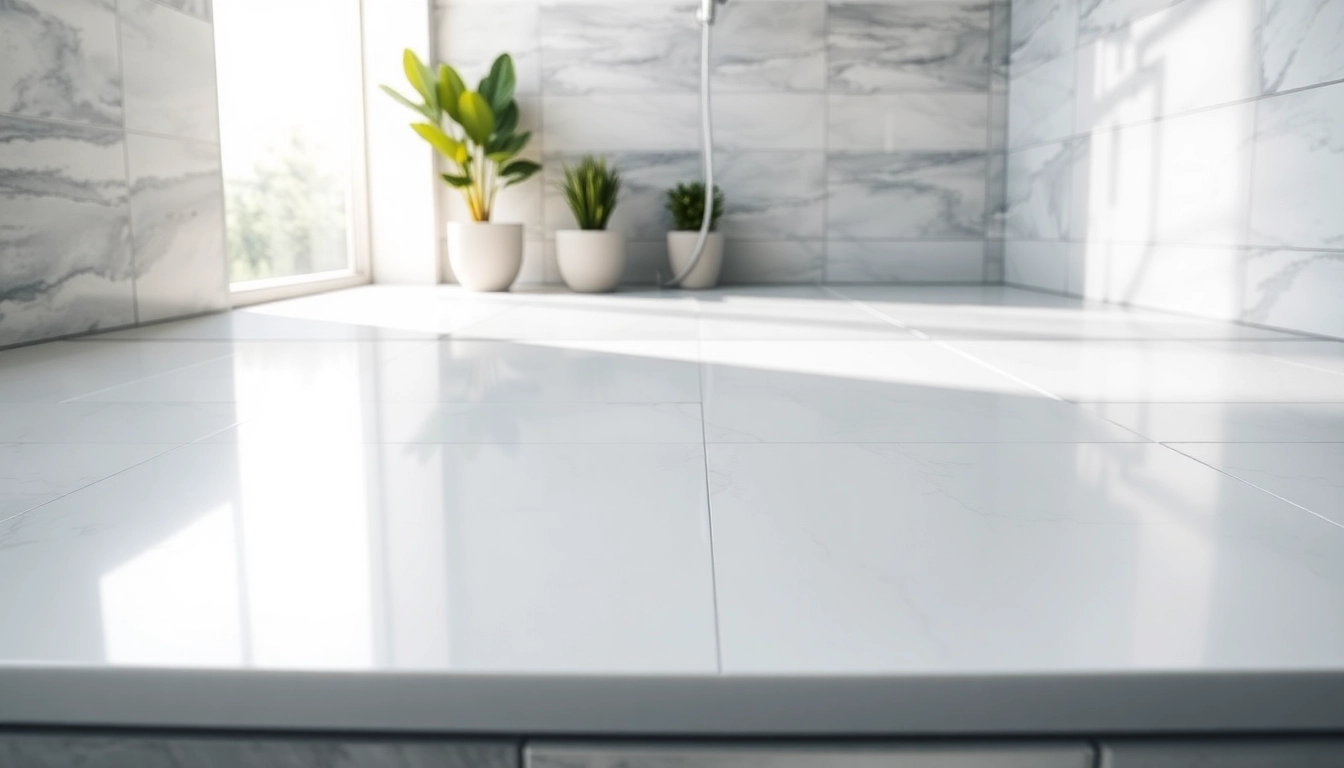
A shower base, often referred to as a shower pan, is a crucial component of the modern shower setup. It serves as the foundation that collects and directs water away from the shower area, protecting the underlying structure from water damage. In simple terms, it is the waterproof floor surface that creates a seamless transition between the shower area and the rest of the bathroom. Beyond its functional role, the shower base can significantly influence the overall aesthetics of your bathroom, elevating both its style and utility.
Types of Shower Bases Explained
Shower bases come in a variety of types, accommodating different needs and preferences. Here are the most common types:
- Prefabricated Shower Bases: Made from materials like acrylic or fiberglass, these bases arrive ready for installation. They are available in multiple sizes and shapes, making them a popular choice.
- Tile Shower Bases: These are custom-built using tiles and mortar. While they offer a high level of customization in design, they also require more labor and time to install.
- Concrete Shower Bases: Concrete bases provide a robust and highly waterproof surface. Often used in custom builds, they can be shaped to fit any design requirement.
- Stone Shower Bases: Natural stone bases offer an upscale look with excellent durability. However, they require regular sealing to prevent staining or damage.
Benefits of Installing a Shower Base
Installing a shower base provides numerous advantages:
- Water Management: A well-designed shower base effectively channels water to the drain, preventing leaks and damage to flooring.
- Easy Maintenance: Many shower bases come with finishes that are easy to clean, reducing maintenance effort compared to tiled floors.
- Design Flexibility: Shower bases come in various styles and materials, allowing homeowners to customize their bathrooms according to personal preferences.
- Increased Safety: A level, slip-resistant shower base can enhance safety for all users, particularly for elderly individuals.
Choosing the Right Shower Base Material
Common Materials for Shower Bases
The choice of material for your shower base is critical as it impacts longevity, maintenance, and appearance. Here are common materials used:
- Acrylic: Lightweight and affordable, acrylic bases are easy to install and available in various styles.
- Fiberglass: Similar to acrylic but generally less durable, fiberglass offers a budget-friendly option.
- Porcelain Enamel Steel: Known for its strength and sleek appearance, this material is resistant to scratches and chips.
- Natural Stone: Granites, marbles, and slates provide luxurious options but come with higher costs and maintenance needs.
- Tile: Offering limitless design possibilities, tiled shower bases can be customized but require more upkeep to maintain grout lines.
Durability and Maintenance Considerations
Durability is paramount when selecting a shower base material. Some materials, like acrylic, are less prone to cracking, while options like porcelain require careful handling to avoid chips. Maintenance also varies by material; for example, natural stone bases require regular sealing, while acrylic and fiberglass merely need standard cleaning. Choosing a material that aligns with your lifestyle and willingness to maintain is crucial for long-term satisfaction.
Aesthetic Appeal of Shower Base Materials
The aesthetic appeal of the shower base directly affects your bathroom’s overall look. For a minimalist design, a sleek acrylic shower base in white or black can be fitting. If a rustic or natural vibe is desired, a stone base might offer the desired warmth and texture. It’s essential to harmonize your choice with the surrounding fixtures, colors, and tile selections to create a cohesive environment.
Installation Process for Your Shower Base
Preparation Ahead of Installation
Before installing your shower base, ensure you have a clear workspace and all necessary tools. Prepare the flooring by removing any existing materials and ensuring a level surface. Also, verify that the plumbing is in place, as proper drainage is critical for the successful operation of your shower base.
Step-by-Step Installation Guide
Installing a shower base typically follows these steps:
- Ensure the subfloor is clean and level.
- Position the shower base in place, checking that it aligns with the drainage connection.
- Use a level to ensure the base is even; adjust with shims if necessary.
- Secure the shower base per the manufacturer’s instructions, often using silicone or adhesive.
- Connect the drain and test for leaks before adding tile or other finishing materials around the shower area.
Essential Tools for Installing a Shower Base
The following tools are essential for a successful installation:
- Level
- Measuring Tape
- Utility Knife
- Screwdriver
- Plumber’s Putty
- Silicone Caulk Gun
- Shims
Enhancing Your Shower Base Experience
Best Practices for Shower Base Care
To keep your shower base in its best condition, implement these care practices:
- Regularly clean the surface to prevent soap scum and mildew build-up, using non-abrasive cleaners.
- Avoid harsh chemicals that can damage the finish of your shower base.
- Inspect seals and caulking regularly, replacing any that show signs of wear to prevent leaks.
Adding Accessories to Your Shower Base
Enhancements and accessories can elevate the functionality and style of your shower base:
- Shower Mats: These not only add a comfort layer but also prevent slips and falls.
- Storage Solutions: The addition of shelves or hooks can help keep toiletries organized.
- Shower Caddies: Hanging caddies allow for easy access to essentials without cluttering the space.
- Grab Bars: For safety, particularly for seniors, adding grab bars can increase stability while showering.
Common Issues and Solutions with Shower Bases
A few common issues can arise with shower bases, including:
- Cracks: Cracks can sometimes form due to improper installation or heavy impacts. Repairing or replacing may be necessary.
- Drainage Issues: Slow drainage often indicates a blockage; clearing the drain or checking the slope of the base may solve this.
- Wear and Tear: Regular maintenance can prevent excessive wear over time.
Frequently Asked Questions about Shower Bases
How to Clean a Shower Base Efficiently?
Use a non-abrasive cleaner and a soft cloth or sponge to wipe down the shower base regularly. Rinse thoroughly to avoid soap residue build-up.
What Size Shower Base Should I Choose?
Measure your shower enclosure dimensions carefully, considering feasible layouts and water drainage system alignment to determine the best fit.
Can Shower Bases Be Customized?
Yes, most shower bases can be customized, particularly tile and concrete options, allowing you to tailor the size, shape, and design to your preferences.
What is the Average Cost of a Shower Base?
The average cost varies widely but typically ranges from $200 to $900+, depending on the material and complexity of installation.
How Long Does a Shower Base Last?
With proper care and maintenance, a shower base can last anywhere from 15 to 30 years, influenced by the quality of the material and usage patterns.