

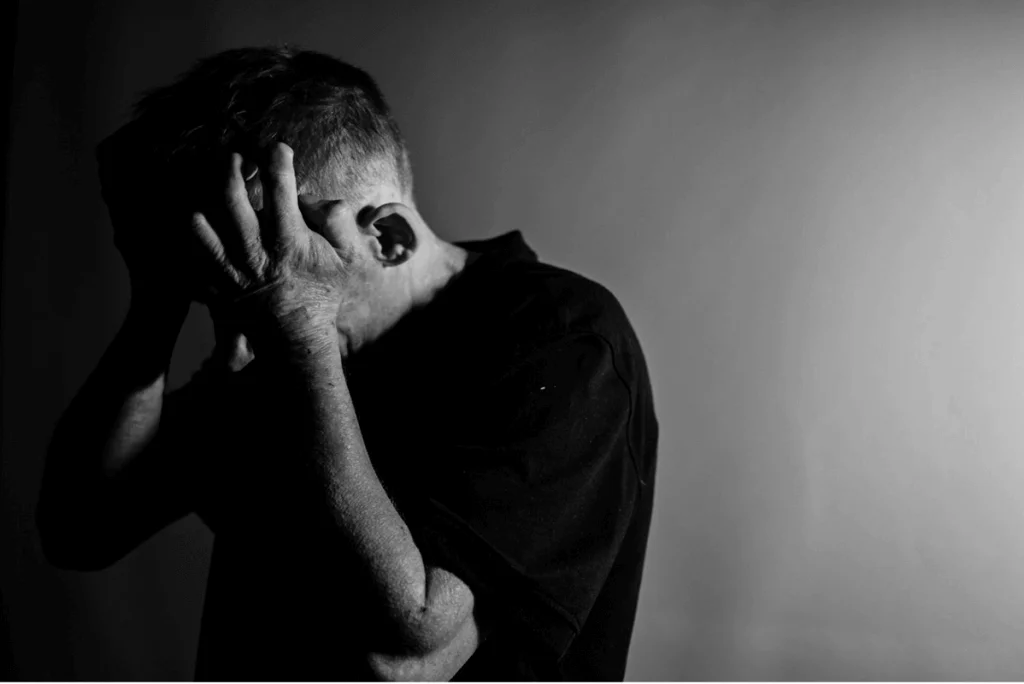
Understanding Depression symptoms linked to stress and emotional pain is essential for recognizing, managing, and treating this pervasive mental health condition. Stress and emotional distress are common in daily life, but when they persist and overwhelm coping mechanisms, they can trigger or exacerbate depression. Adults, in particular, may face pressures from work, family, relationships, and personal challenges, making it vital to identify how stress-related depression manifests. Recognizing the signs early can prevent long-term complications, support recovery, and improve overall well-being.
- Understanding Depression
- Emotional Depression Symptoms Linked to Stress
- Physical Depression Symptoms Associated with Stress
- Cognitive Symptoms of Stress-Linked Depression
- Behavioral Depression Symptoms Linked to Stress
- Recognizing Stress-Linked Depression in Different Populations
- When to Seek Help for Stress-Linked Depression
- Coping Strategies for Stress-Related Depression
- Reducing Stigma Around Stress-Linked Depression
- Conclusion
- FAQs
Understanding Depression
Depression is a complex mood disorder that affects emotional, cognitive, behavioral, and physical functioning. While occasional sadness and emotional discomfort are part of life, depression is more severe, persistent, and disruptive. Stress and emotional pain are often key contributors to its onset.
Causes of Stress-Linked Depression
Depression often arises from multiple interacting factors:
- Chronic stress: Long-term exposure to stressors, such as work pressure or caregiving responsibilities, can overwhelm coping mechanisms.
- Traumatic experiences: Emotional trauma, loss, or abuse increases vulnerability to depression.
- Biological factors: Genetic predisposition and neurochemical imbalances contribute to how individuals respond to stress.
- Psychological factors: Personality traits, coping styles, and past experiences shape susceptibility to stress-related depression.
- Social environment: Isolation, lack of support, and interpersonal conflicts exacerbate stress and emotional distress.
Understanding these contributing factors emphasizes that depression is not a personal failing but a medical and psychological condition requiring care and attention.
The Link Between Stress, Emotional Pain, and Depression
Stress and emotional pain can trigger physiological and psychological changes that increase the risk of depression. Chronic stress activates the body’s stress response, releasing hormones like cortisol, which, over time, can alter brain chemistry and affect mood regulation. Emotional pain, including grief, heartbreak, or unresolved trauma, can intensify negative thought patterns, reinforce feelings of helplessness, and contribute to the onset of depressive episodes.
Emotional Depression Symptoms Linked to Stress
Emotional symptoms are often the most immediate indicators of stress-induced depression. They reflect how chronic stress and emotional pain influence mood and internal emotional states.
Persistent Sadness and Low Mood
Adults experiencing depression linked to stress may feel persistent sadness or emptiness. Unlike ordinary sadness, these emotions do not resolve quickly and can dominate daily experiences.
Irritability and Emotional Volatility
Chronic stress can heighten emotional reactivity, causing irritability, frustration, or anger over minor challenges. This volatility may strain relationships and create additional stress, perpetuating depressive cycles.
Anxiety and Worry
Depression often coexists with anxiety when stress is a contributing factor. Individuals may experience excessive worry, nervousness, or racing thoughts, which amplify emotional pain and impair functioning.
Emotional Numbness
Prolonged stress and emotional strain can lead to emotional blunting, where individuals feel detached, unmotivated, or disconnected from their surroundings and loved ones.
Guilt and Self-Blame
Adults may internalize stress-related challenges, blaming themselves for circumstances beyond their control. Excessive guilt and self-criticism are common in stress-linked depression.
Physical Depression Symptoms Associated with Stress
Chronic stress and depression can manifest physically, often compounding emotional distress. Physical symptoms may include:
Fatigue and Low Energy
Stress-induced depression often results in persistent fatigue. Even adequate rest may not alleviate tiredness, and simple tasks can feel exhausting.
Sleep Disturbances
Depression can cause insomnia, difficulty maintaining sleep, early morning awakening, or excessive sleeping. Poor sleep quality exacerbates fatigue and worsens mood disturbances.
Appetite and Weight Changes
Stress-related depression may disrupt appetite, leading to overeating or loss of interest in food. These changes can impact physical health and energy levels.
Somatic Complaints
Stress and depression often produce unexplained physical pain, such as headaches, back pain, or digestive issues, which can obscure the underlying emotional condition.

Cognitive Symptoms of Stress-Linked Depression
Stress and emotional pain affect cognitive functioning, influencing concentration, memory, and decision-making.
Difficulty Concentrating
Adults may struggle to focus on tasks, organize thoughts, or complete work-related responsibilities. Cognitive slowing can worsen feelings of inadequacy and stress.
Negative Thought Patterns
Persistent negative thoughts about oneself, the future, and life circumstances are amplified by stress and emotional pain. Rumination reinforces depressive symptoms and emotional distress.
Indecisiveness
Stress-related depression often impairs decision-making. Individuals may feel overwhelmed, unable to choose even minor options, which increases anxiety and self-doubt.
Memory Impairments
Short-term memory challenges are common, such as forgetting appointments or conversations. Cognitive impairments may affect work performance and daily functioning.
Behavioral Depression Symptoms Linked to Stress
Behavioral changes often accompany emotional, cognitive, and physical symptoms in stress-related depression.
Social Withdrawal
Adults may avoid social interactions, family gatherings, or work engagements due to low mood, fatigue, or emotional detachment. Isolation reinforces depressive cycles and increases stress.
Reduced Productivity
Stress-linked depression diminishes motivation, reducing performance at work or home. Adults may procrastinate, neglect responsibilities, or struggle to meet deadlines.
Risky or Impulsive Behavior
Some adults may turn to alcohol, drugs, or reckless behaviors as a coping mechanism for emotional pain and stress. These actions can exacerbate depression and create additional problems.
Changes in Daily Routine
Disrupted sleep, fatigue, and low motivation can affect personal care, meal preparation, and daily schedules, reinforcing depressive symptoms.
Recognizing Stress-Linked Depression in Different Populations
Depression triggered by stress and emotional pain may manifest differently depending on age, lifestyle, and life circumstances.
Adults
Adults often face work-related stress, caregiving responsibilities, financial pressures, and relationship challenges. Depression symptoms in adults include persistent sadness, fatigue, sleep disturbances, irritability, and decreased productivity.
Older Adults
In older adults, stress-related depression may appear as physical complaints, cognitive changes, or social withdrawal. Symptoms are sometimes misattributed to aging or chronic illness, delaying recognition and treatment.
Adolescents and Young Adults
Younger adults may show irritability, academic decline, social withdrawal, or risk-taking behaviors. Early recognition is critical to prevent long-term emotional and social consequences.
When to Seek Help for Stress-Linked Depression
Recognizing when to seek professional support is vital for effective management. Adults should consider intervention if depression symptoms persist, worsen, or interfere with daily functioning.
Warning Signs That Require Professional Attention
- Persistent sadness, hopelessness, or irritability
- Chronic fatigue or significant energy loss
- Sleep disturbances or appetite changes
- Loss of interest in activities and social withdrawal
- Thoughts of self-harm or suicide
Early intervention improves recovery outcomes, reduces symptom severity, and prevents long-term complications.
Types of Professional Support
- Therapy: Cognitive-behavioral therapy (CBT), interpersonal therapy (IPT), or trauma-focused therapy to address negative thought patterns and stress management.
- Medication: Antidepressants can correct neurochemical imbalances associated with depression.
- Support groups: Peer support helps reduce isolation and provides coping strategies.
- Lifestyle interventions: Exercise, mindfulness, proper sleep hygiene, and nutrition complement professional treatment.
Steps to Access Help
- Acknowledge and accept that depression symptoms exist.
- Reach out to a healthcare provider or mental health professional.
- Discuss treatment options, including therapy, medication, or combined approaches.
- Engage supportive family or friends to encourage adherence to treatment and provide emotional support.
Coping Strategies for Stress-Related Depression
Managing stress-linked depression involves a combination of self-care, professional treatment, and lifestyle adjustments.
Self-Care Practices
- Maintain regular sleep and wake schedules
- Engage in physical exercise to boost mood and energy
- Practice mindfulness, meditation, or relaxation exercises
- Incorporate enjoyable activities into daily routines
- Eat a balanced diet to support physical and mental health
Building a Support Network
Family, friends, and peer support provide encouragement, accountability, and a sense of connection, helping individuals cope with emotional pain and stress.
Monitoring and Tracking Symptoms
Keeping a journal of mood, energy levels, sleep patterns, and triggers can help individuals and professionals identify trends and tailor treatment strategies effectively.
Setting Realistic Goals
Breaking tasks into achievable steps provides a sense of accomplishment, motivation, and control, which can counter feelings of helplessness associated with depression.
Reducing Stigma Around Stress-Linked Depression
Education and awareness about stress-related depression foster empathy and reduce stigma. Open dialogue about mental health promotes help-seeking behavior and creates supportive environments at work, in communities, and within families.
Encouraging Empathy
Active listening, patience, and validation of experiences are crucial when supporting someone with depression. Avoiding judgment and offering understanding can significantly improve emotional well-being.
Community and Workplace Initiatives
Workshops, seminars, and mental health programs can educate adults about stress-linked depression, normalize seeking help, and provide access to resources.
Conclusion
Depression symptoms linked to stress and emotional pain affect emotional, cognitive, behavioral, and physical functioning in adults. Recognizing these symptoms early is essential for timely intervention, effective treatment, and long-term recovery. Combining professional care, self-care strategies, social support, and lifestyle modifications can improve outcomes and enhance quality of life. By increasing awareness, reducing stigma, and promoting empathy, individuals and communities can create supportive environments that empower adults to manage stress-linked depression and regain control over their mental health. Navigate all sections easily by returning to the homepage.
FAQs
How does stress contribute to depression symptoms?
Chronic stress triggers hormonal and neurochemical changes in the brain, which can affect mood, energy, and cognitive functioning. Prolonged stress increases vulnerability to persistent sadness, fatigue, and negative thought patterns.
What are the key signs of depression linked to emotional pain?
Key signs include persistent sadness, irritability, social withdrawal, loss of interest in activities, fatigue, sleep disturbances, and negative thinking patterns. Emotional pain often amplifies these symptoms.
When should adults seek professional help for stress-related depression?
Professional help is recommended if symptoms persist for more than two weeks, interfere with daily life, or include thoughts of self-harm. Early intervention improves recovery outcomes and reduces long-term risks.