Why Lifeline Needs a Sidegrade in Apex Legends
Apex Legends’ resident combat medic, Lifeline, has long been a subject of intense balance discussions within the community. Recently, the game’s lead designer offered a nuanced perspective, suggesting that the popular support legend needs a ‘sidegrade’ rather than a straightforward buff. This isn’t just semantics; it represents a fundamental shift in how developers approach balancing a legend’s core identity and their impact on team dynamics within the ever-evolving battle royale landscape.
Deciphering the "Sidegrade" in Game Design
In the intricate world of game balance, a "sidegrade" is a concept often misunderstood. Unlike a buff, which directly increases a character’s power (e.g., more damage, shorter cooldowns), or a nerf, which reduces it, a sidegrade involves altering a legend’s kit by exchanging one strength for another. It reallocates utility or power, fundamentally shifting how the legend plays without necessarily making them objectively "better" or "worse."
Developers opt for sidegrades to address specific design challenges. Perhaps a legend is too dominant in one area but weak in another, or their core gameplay loop feels stale. A sidegrade allows the team to maintain an overall power level while shifting a character’s utility, thereby refreshing their role or opening up new strategic possibilities. This approach avoids constant power creep and encourages diverse team compositions by ensuring each legend offers a distinct, valuable contribution that might not always be numerically superior but is situationally optimal.
It anticipates player questions like, "Why not just make her stronger?" The answer lies in the nuanced goal: to make her *different* and more engaging, rather than simply more powerful, thereby preserving overall game balance.

Key Takeaway:
A sidegrade aims to redistribute power, altering a legend’s role or playstyle by exchanging existing utility for new abilities, without directly increasing or decreasing their total strength.
Lifeline’s Historical Role and Current Predicament
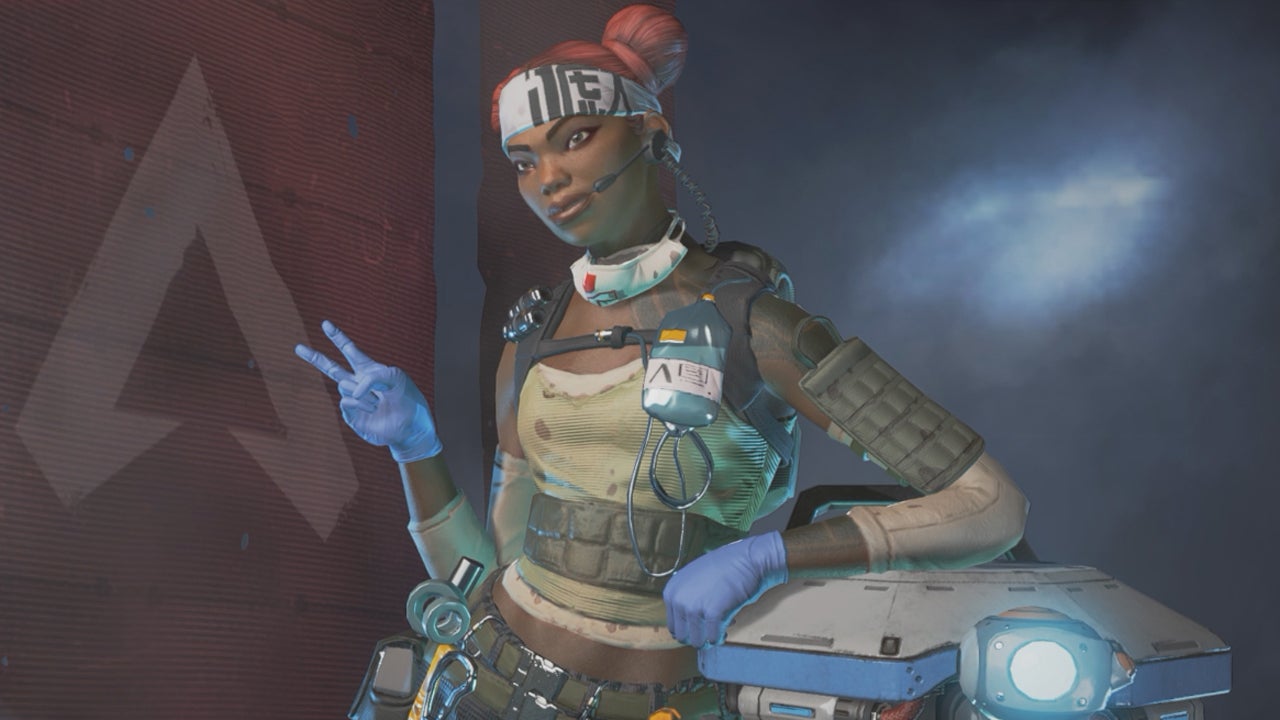
Lifeline burst onto the Apex Games scene as the quintessential combat medic, offering fast heals, a hands-free drone revive, and valuable supply drops. Her original kit, particularly the deployable shield during revives, cemented her as a crucial frontline support. However, as the game evolved, so did her role, and not always to her benefit. The removal of her iconic revive shield was a significant change, aimed at reducing her dominance in sustained engagements and promoting more active decision-making.
Today, Lifeline often struggles with a perception problem. While her D.O.C. Heal Drone provides passive healing and her Care Package can deliver much-needed defensive gear, her tactical often feels easily countered or simply outclassed by other legends’ more dynamic abilities. The drone’s immobility makes it a target, and its healing rate can feel too slow in the heat of battle. Her ultimate, the Care Package, while useful, often feels less impactful compared to the game-changing ultimates of other support legends like Newcastle’s Castle Wall or Conduit’s Energy Barricade.
The core predicament is that her utility, though present, can feel passive and easily ignored by aggressive enemies, diminishing her player agency and making her feel less effective than other legends, even if her numbers aren’t explicitly weak. This creates a challenging balance scenario where a simple power boost might not solve her fundamental design issues.
Key Takeaway:
Lifeline’s current kit struggles with immediate impact and player agency, often feeling passive and easily countered, despite her original design as a dynamic combat medic.
Envisioning Lifeline’s Sidegrade: Possible Paths
To truly sidegrade Lifeline means reimagining how she interacts with her team and the battlefield. The goal isn’t to bring back old abilities verbatim, but to develop new ones that provide equivalent strategic value while promoting more engaging gameplay. Here are several potential directions a sidegrade could take, focusing on swapping existing utility for new, more impactful abilities:
Here are some potential concepts:
- Mobile Healing Drone: Instead of a stationary D.O.C. drone, Lifeline could deploy a drone that follows her or a designated ally, providing persistent but lower healing on the move. This trades concentrated healing for mobility and sustained utility.
- Active Revive Shield: Lifeline could regain a revive shield, but perhaps one she manually activates that has a health pool, or one that only protects from one direction, requiring strategic placement rather than being an automatic bubble. This replaces passive invincibility with player-controlled defense.
- Utility Care Package: Her ultimate could deliver specialized defensive or utility items (e.g., temporary deployable cover, unique tactical grenades, temporary speed boost item) instead of just armor and knockdown shields. This trades predictable gear for adaptable situational assets.
- Overcharged Tactical: The D.O.C. drone could be overcharged to heal faster for a very short duration, but then enters an extended cooldown or is temporarily destroyed. This swaps consistent, slow healing for burst utility with a higher risk/reward.
- Strategic Drone Placement: Lifeline could command D.O.C. to stay in a fixed position, creating a temporary, larger healing zone, or even send it to ‘patrol’ a small area, offering area denial or minor recon. This exchanges simple deployment for tactical control.
The ultimate goal for any sidegrade is to make Lifeline’s choices matter more, provide more active utility, and solidify a distinct role that feels both unique and powerful within the competitive landscape of Apex Legends. This involves anticipating how these changes might affect her playstyle and team compositions.
Key Takeaway:
A Lifeline sidegrade would focus on swapping existing utility for new, more engaging, or impactful abilities, solidifying her unique role as a dynamic and strategic support legend.
Implementing Change: Challenges and Rewards
Implementing a significant sidegrade for a beloved legend like Lifeline is not without its challenges. The development team at Respawn Entertainment must navigate a complex array of design, technical, and community-related hurdles to ensure the changes are successful and well-received. Anticipating these challenges is crucial for a smooth transition.
Challenges Include:
- Player Backlash: Long-time Lifeline mains may resist significant changes to a character they’ve invested countless hours into, especially if the new kit doesn’t immediately resonate.
- Balancing Act: Ensuring the newly configured kit isn’t accidentally overpowered, creating new meta dominance, or conversely, underpowered, making her even less viable.
- Maintaining Identity: The new abilities must still feel like ‘Lifeline,’ retaining her core character fantasy even if her mechanics shift dramatically.
- Meta Disruption: Any major change to a legend can significantly alter the overall game meta, requiring further adjustments to other legends or weapon balance.
However, the rewards for a successful sidegrade can be substantial. It offers a powerful opportunity to revitalize a legend that some players feel has grown stale, breathing new life into her gameplay loop. It can add significant strategic depth for teams, encouraging new compositions and tactics that were previously unviable. Furthermore, a well-executed sidegrade clarifies a legend’s role among an ever-growing roster, making their unique contributions more apparent and valuable. Finally, it showcases the developers’ willingness to experiment and evolve core gameplay, keeping Apex Legends fresh and engaging for years to come.
Key Takeaway:
While implementing a sidegrade presents significant design and community management challenges, it offers a powerful opportunity to refresh Lifeline’s appeal and enhance the strategic depth of Apex Legends.
Common Misconceptions About Lifeline Sidegrades
- Expecting a Straight Buff: A sidegrade is not about making her universally stronger, but about making her *differently* strong. It’s a re-evaluation of her utility, not a simple power boost.
- Ignoring Team Synergy: Changes should primarily enhance her contributions to team dynamics and strategy, not turn her into a solo legend or diminish her cooperative role.
- Overcomplicating the Kit: New abilities should be intuitive and not add unnecessary layers of complexity that hinder fluid gameplay or make her difficult to learn for new players.
- Demanding Return of Old Abilities Without Trade-offs: The original shield revive was removed for specific balance reasons; any return would necessitate significant new trade-offs or limitations to prevent previous issues.
- Underestimating Player Adaptation: The community will adapt to new mechanics over time, and early reactions might not fully reflect the long-term viability and strategic depth of the changes.
FAQ
What exactly is the difference between a "buff" and a "sidegrade"?
A buff directly increases a legend’s power, making them numerically stronger without fundamentally changing their role (e.g., increasing tactical damage, reducing ultimate cooldown). A sidegrade, however, involves exchanging one ability or aspect of an ability for another. It reallocates power or utility, often changing a legend’s playstyle or strategic niche, rather than simply making them more powerful overall. It’s about lateral movement in terms of power, not vertical.
Why wouldn’t Respawn just buff Lifeline if she’s underperforming?
A straight buff might not address the core design issues with Lifeline’s kit, which revolve more around the *impact* and *engagement* of her abilities rather than just their raw numbers. Simple buffs could lead to power creep, where every legend eventually becomes too strong, or they might not solve the problem of her utility feeling passive or easily ignored. The lead designer likely recognizes that her current problem isn’t a lack of numbers, but a lack of engaging or impactful utility that fits modern Apex Legends gameplay, which a sidegrade aims to correct by repositioning her value.
How might a sidegrade affect Lifeline’s pick rate and meta relevance?
A thoughtfully executed sidegrade could significantly boost Lifeline’s pick rate and meta relevance by providing her with more active, engaging, and strategically valuable abilities. If her new kit offers unique utility that fills a specific niche or effectively counters prevalent meta strategies, she could become a much more sought-after legend in both casual and competitive play. Conversely, a poorly implemented sidegrade that feels less impactful or less intuitive than her current kit could further diminish her presence, making player reception and robust testing critical to its success.