Understanding Bitcoin Mining Basics
Bitcoin mining is often heralded as the backbone of the Bitcoin network, serving both as a method to introduce new bitcoins into circulation and as a way to secure and verify transactions. In essence, it involves using powerful computers to solve complex mathematical puzzles, which in turn validate and record transactions on the Bitcoin blockchain. As the cryptocurrency space evolves, it becomes increasingly vital for both newcomers and seasoned miners to understand the fundamentals of this intricate process, especially given the substantial advancements in technology and growing competition in 2025.
What is Bitcoin Mining?
At its core, bitcoin mining refers to the process of validating and adding transaction records to Bitcoin's public ledger, known as the blockchain. Miners utilize specialized hardware to perform cryptographic calculations, competing against one another to solve the next block in the chain. The first miner to successfully solve this mathematical puzzle is rewarded with freshly minted bitcoins plus transaction fees from the transactions included in the block. This incentivizes miners to engage in the resource-intensive task, ensuring network security and operational integrity.
The Role of Miners in Blockchain Technology
Miners are crucial for maintaining the decentralized nature of Bitcoin. By participating in mining, they contribute to the overall security and functionality of the network. Each transaction must be confirmed by a miner, preventing double-spending and ensuring the accuracy of the blockchain. The decentralized verification system introduces resilience against attacks, as no single entity holds control over the entire network.
Essential Equipment for Bitcoin Mining
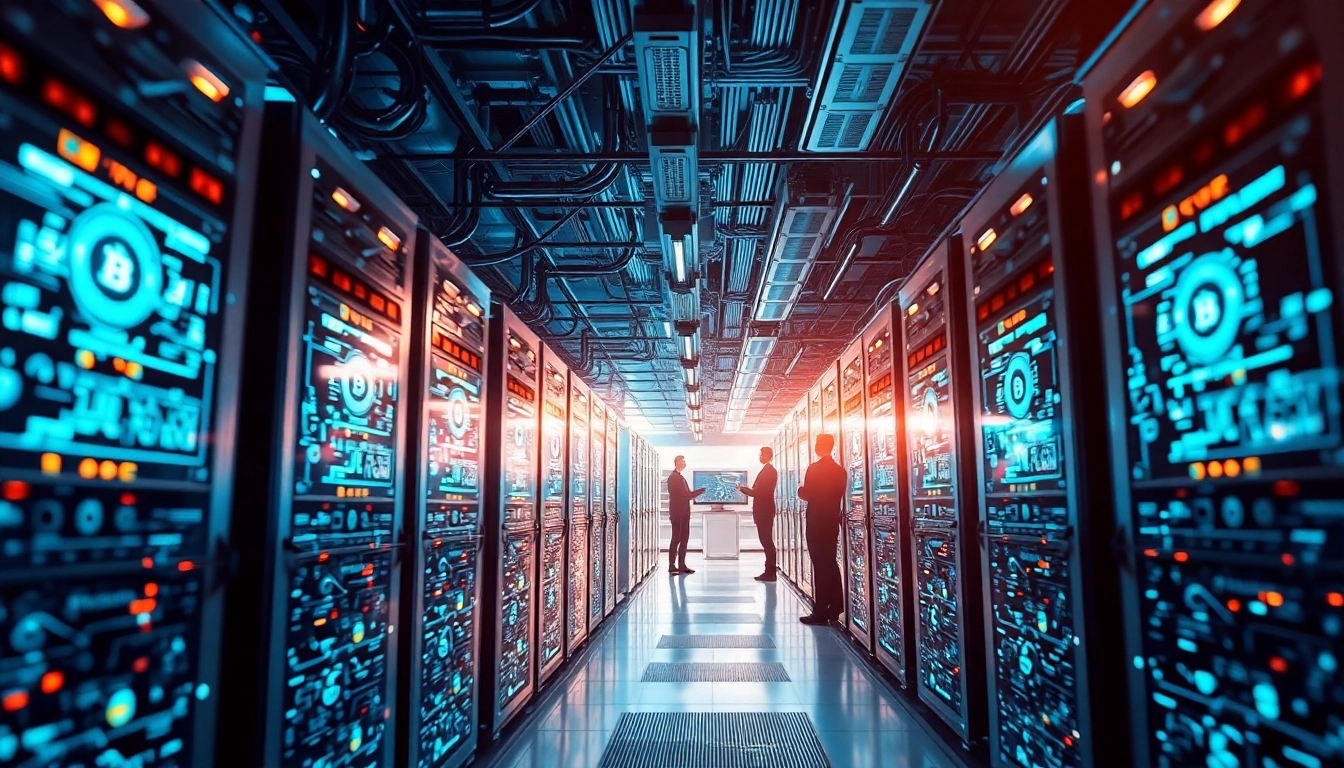
To begin mining, one needs specific equipment. Initially, Bitcoin was mined using standard CPUs in computers; however, as competition increased, miners transitioned to more powerful hardware. Today, most miners use Application-Specific Integrated Circuits (ASICs), which are custom-built for the sole purpose of mining bitcoins. These devices provide significantly higher hashing power and energy efficiency, making them the preferred choice for serious miners.
Evaluating Profitability in Bitcoin Mining
The profitability of bitcoin mining is influenced by various factors, including hardware costs, energy expenses, and the current price of bitcoin. Understanding these elements is essential for anyone considering entering the mining space. When exploring options, bitcoin mining provides comprehensive insights into managing these factors efficiently to maximize returns.
Initial Costs and Setup Expenses
Starting a bitcoin mining operation involves considerable initial investment. This includes purchasing high-quality mining equipment, setting up proper cooling systems, and ensuring a stable electricity supply. Additionally, miners should consider the cost of acquiring space for their rigs and the necessary infrastructure for optimal operation. It's crucial to conduct a thorough cost-benefit analysis before making any significant financial commitments.
Factors Influencing Mining Profitability
Several key factors can impact mining profitability:
- Bitcoin Price: The higher the price of bitcoin, the more rewarding it becomes to mine.
- Mining Difficulty: This adjusts approximately every two weeks based on the total computational power in the network, impacting how easily new blocks can be mined.
- Electricity Costs: Mining is energy-intensive; lower electricity costs can significantly improve profitability.
- Mining Pool Participation: Joining a mining pool allows miners to combine their resources, increasing the chances of earning rewards consistently.
How to Join a Mining Pool Effectively
Many individual miners find it challenging to compete against larger operations. Joining a mining pool can mitigate this issue. A mining pool is a collective of miners who share their computational resources over a network. Rewards are then distributed based on the amount of work each miner contributes. To join a mining pool effectively, consider factors such as pool fees, payout structures, and reputation within the cryptocurrency community.
Technological Advancements in Bitcoin Mining
As the bitcoin mining landscape evolves, technological advancements are shaping the future of the industry. This includes innovations in hardware, energy efficiency solutions, and cloud-based mining services.
Latest Mining Hardware Innovations
The mining hardware market is constantly evolving, with new models released regularly. In 2025, miners are experiencing significant improvements in ASIC technology, resulting in devices that offer better performance while consuming less power. New entrants into the market, such as the latest generation of ASIC miners, feature enhanced cooling solutions and energy-efficient designs, allowing for higher hash rates and reduced operational costs.
Green Energy Solutions for Sustainable Mining
As awareness grows regarding the environmental impact of bitcoin mining, many operators are exploring renewable energy sources. Solar, wind, and hydroelectric power are becoming increasingly popular among miners aiming to reduce their carbon footprint and operational costs. Utilizing green energy not only aligns with sustainability goals but also provides a competitive edge as global regulations around energy consumption tighten.
The Future of Cloud Mining Platforms
Cloud mining is evolving as a viable alternative for those wanting to engage in bitcoin mining without investing in hardware. These platforms enable users to rent mining power from remote data centers, effectively outsourcing the hardware and maintenance responsibilities. In 2025, the demand for cloud mining services is expected to grow as it offers a more accessible entry point for new miners.
Common Challenges and Solutions in Bitcoin Mining
While bitcoin mining can be lucrative, it is not without its challenges. From technical glitches to regulatory hurdles, miners face a variety of potential obstacles that can impact their operations.
Technical Issues and How to Solve Them
Technical challenges are common in bitcoin mining, with issues ranging from hardware failures to network connectivity problems. Regular maintenance is essential to ensure optimal performance. Miners should invest in quality equipment and have contingency plans in place, such as backup power sources or additional hardware to mitigate downtime.
Regulatory Considerations in Different Regions
As governments worldwide begin to regulate cryptocurrencies and mining activities, it's crucial for miners to stay informed about the legal landscape in their region. Compliance with local laws is essential to avoid fines or shutdowns. Some jurisdictions offer favorable regulatory environments for cryptocurrency mining, while others impose heavy restrictions or outright bans.
Security Issues: Protecting Your Mining Operations
Security is a major concern for bitcoin miners, who must protect their operations from cyberattacks and theft. Implementing robust cybersecurity measures is paramount, including using secure wallets, regularly updating software, and employing two-factor authentication wherever possible. Keeping abreast of the latest security threats and adopting proactive measures can safeguard mining operations.
Future Trends in Bitcoin Mining
The future of bitcoin mining is intertwined with emerging technologies and market dynamics. As we move deeper into 2025, miners must adapt to these trends to thrive in a competitive landscape.
Emerging Technologies Shaping the Industry
The rise of artificial intelligence (AI) and machine learning is influencing bitcoin mining. These technologies are being employed to enhance mining efficiency and predict market trends. Additionally, the integration of blockchain technology across various sectors is likely to create new opportunities for miners beyond mere transaction validation.
Predictions for Bitcoin Mining in 2025
Experts predict that the bitcoin mining industry will continue to mature, with increased institutional investment and broader adoption of cryptocurrencies. As the competition intensifies, only the most efficient operations will thrive. Miners will need to embrace innovative technologies and sustainable practices to remain competitive.
Potential Market Changes and Their Impacts
The cryptocurrency market is notoriously volatile, and shifts in bitcoin prices can have a direct impact on mining profitability. As demand for bitcoin rises or falls, miners will need to adjust their strategies accordingly. Moreover, upcoming halving events, which reduce the reward for mining new blocks, will further influence the economic landscape for miners.