
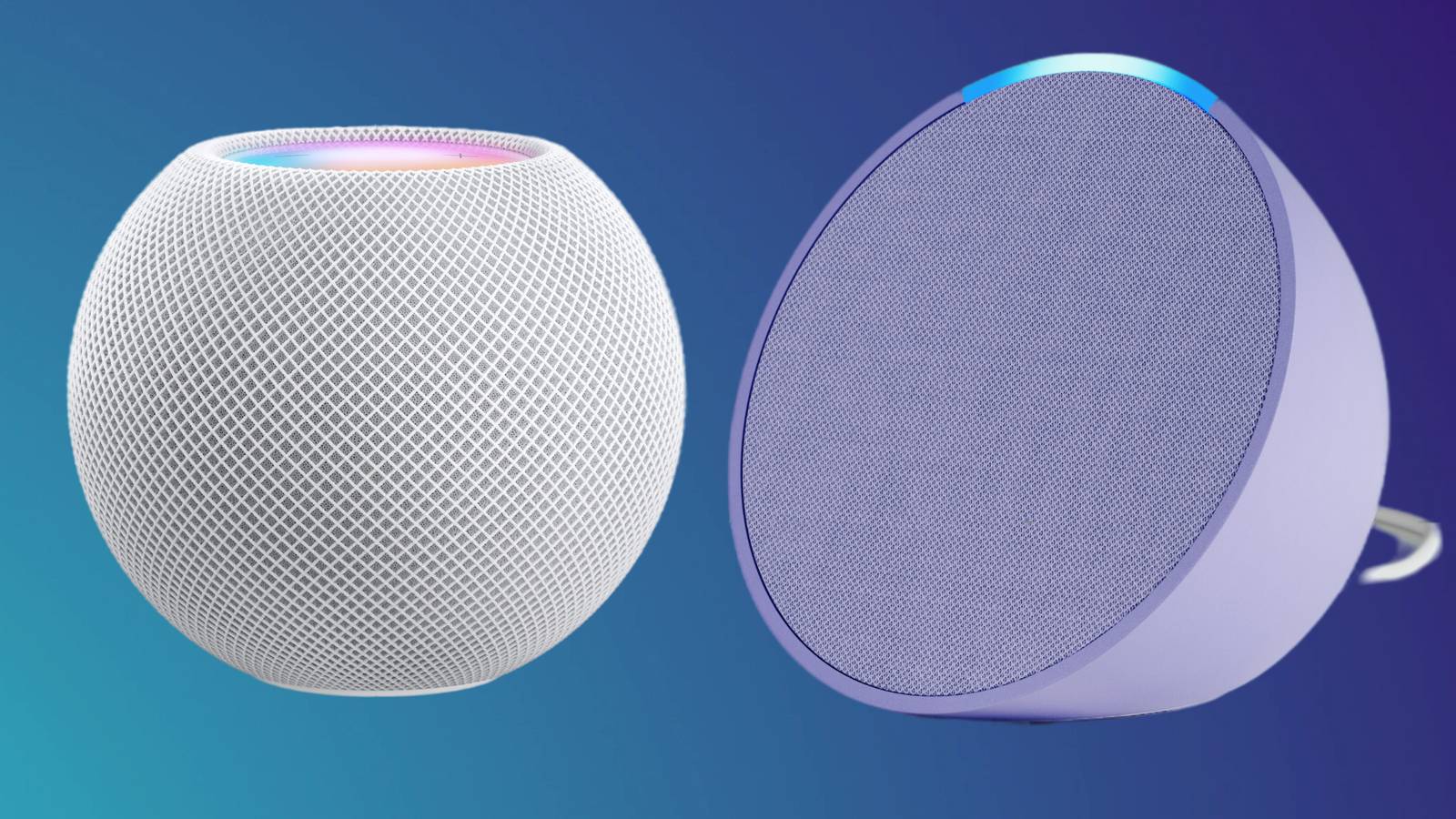
Strategic Smart Speaker Selection: Echo Pop vs. HomePod Mini for Optimal ROI
Choosing a smart speaker extends beyond basic functionality; it’s a strategic decision impacting your digital ecosystem, daily efficiency, and long-term value. This analysis provides a framework to evaluate the Amazon Echo Pop and Apple HomePod Mini, focusing on return on investment, business impact, and risk-benefit considerations to guide your informed selection.
Ecosystem Integration and Long-Term Value Proposition
The core distinction between the Echo Pop and HomePod Mini lies in their deeply entrenched ecosystems: Amazon’s Alexa and Apple’s HomeKit/Siri. Opting for the Echo Pop largely means committing to the Amazon ecosystem. This offers extensive compatibility with a vast array of smart home devices, many of which are more budget-friendly and widely available. For small businesses or individuals prioritizing broad device compatibility and cost-efficiency in smart home automation, the Alexa ecosystem presents a compelling proposition. The long-term value here stems from accessibility to a sprawling market of interconnected devices and services, from entertainment to productivity tools, all orchestrated through voice commands. The risk, however, is a potential dependence on Amazon’s data practices and the vast scope of information it gathers to personalize experiences and improve its AI.

Conversely, the HomePod Mini is inextricably linked to the Apple ecosystem. For existing Apple users—iPhone, iPad, Mac, Apple Music, HomeKit—the integration is seamless, intuitive, and highly secure. This “walled garden” approach offers a premium, cohesive user experience with superior privacy controls and robust device interoperability within Apple’s own product lines and certified HomeKit accessories. The long-term value for an Apple user is significantly enhanced by this tight integration, ensuring smooth handoffs, personalized automation, and a unified digital life. The primary drawback is a higher initial cost and a more limited, albeit curated, selection of compatible third-party devices. For a user or small office already heavily invested in Apple’s infrastructure, the HomePod Mini represents a strategic investment that maximizes existing assets and prioritizes privacy and design consistency, minimizing friction in their digital workflow.
Cost-Benefit Analysis and Scalability Considerations
A rigorous cost-benefit analysis must go beyond the initial purchase price. The Echo Pop, positioned as an entry-level device, offers an extremely low barrier to entry. Its benefit lies in accessible smart assistant capabilities, decent audio for its size, and the ability to control a multitude of smart home devices at minimal cost. For scalable deployments, such as outfitting multiple rooms in a home or various stations in a small retail environment (e.g., for background music, announcements, or basic inventory checks via Alexa skills), the Echo Pop’s affordability makes it an attractive option for widespread integration without significant capital expenditure. The ROI is high in terms of ubiquitous smart assistant access per dollar, particularly when leveraging Amazon’s broader service offerings like Prime Music or Audible. However, its audio quality is modest, and the premium user experience often associated with higher-end smart speakers is absent.
The HomePod Mini, while more expensive, justifies its price point through superior audio quality for its compact size, advanced computational audio, and deeper integration with Apple’s services, including lossless audio support and intelligent routing for calls/media. For environments where audio fidelity is a higher priority—such as a personal office, a living room, or a boutique store where ambient music quality contributes to the brand experience—the HomePod Mini offers a higher perceived benefit. Its scalability might be more constrained by budget for widespread deployment, but the enhanced user experience, robust multi-room audio (with other HomePods), and tighter privacy controls offer a different form of ROI. Decision-makers must weigh the immediate cost savings of the Echo Pop against the premium experience, privacy assurances, and ecosystem synergy offered by the HomePod Mini, considering which set of benefits aligns best with their operational or lifestyle objectives. The strategic choice hinges on whether the marginal utility of premium features and integration outweighs the cost differential for their specific use case.
“Reports indicate that Amazon’s Alexa held an estimated 69.7% market share of smart speakers in 2023, showcasing its dominant position and vast ecosystem reach.”
Key Insight: The sheer breadth of Alexa’s market penetration signifies extensive third-party developer support and a wide array of compatible devices, reducing integration hurdles for new users.
User Experience, Data Privacy, and Security Risks
The user experience (UX) and data privacy implications are critical differentiators. The Echo Pop, powered by Alexa, offers a responsive and generally effective voice assistant capable of handling a vast range of commands, queries, and smart home controls. Its UX is designed for accessibility and functionality across a diverse user base, often prioritizing convenience and breadth of skills. However, Amazon’s business model heavily relies on data collection to refine its services, target advertising, and improve Alexa’s capabilities. This presents a potential privacy risk, as extensive data—including voice recordings, usage patterns, and purchase history—is processed. While Amazon implements security measures, the sheer volume and scope of data handled raise concerns for some users. Strategic decision-makers must assess their tolerance for data sharing and the potential for targeted marketing when considering the Echo Pop, especially in environments where sensitive information might be discussed.
The HomePod Mini, leveraging Apple’s Siri, offers a UX that is highly refined within the Apple ecosystem, emphasizing privacy and security. Siri’s processing for many requests occurs on-device or uses anonymous, encrypted data sent to Apple’s servers. Apple’s stated commitment to privacy means that data collected is typically less extensive and less likely to be used for targeted advertising. This translates to a lower privacy risk for users concerned about their personal data. The security architecture of HomeKit, with its end-to-end encryption for smart home accessories, further enhances this. While Siri might not always match Alexa’s breadth of third-party skills, its accuracy and natural language processing within its domain are excellent, providing a smooth and secure experience. For individuals or small organizations where data integrity, confidentiality, and robust privacy policies are paramount—perhaps in a legal office or healthcare setting where casual conversations could inadvertently expose information—the HomePod Mini’s approach to security and privacy presents a significant benefit, justifying its premium positioning. The risk associated with the HomePod Mini, beyond its higher cost, primarily lies in its closed ecosystem potentially limiting integration with non-Apple devices or services.
“Apple emphasizes on-device processing and anonymized data for Siri requests, reinforcing its strong stance on user privacy.”
Key Insight: For users prioritizing data privacy and security, Apple’s architectural choices and explicit policies offer a distinct advantage, positioning the HomePod Mini as a secure hub.
FAQ: Addressing Key Decision Points
What is the primary factor for choosing between Echo Pop and HomePod Mini?
The primary factor should be your existing digital ecosystem and privacy preferences. If you are deeply integrated into the Apple ecosystem (iPhone, Mac, Apple Music) and prioritize data privacy and seamless integration, the HomePod Mini offers superior value. If you prioritize budget, broad smart home device compatibility, and access to Amazon’s extensive services, the Echo Pop with Alexa is the more practical choice. Your decision should align with your overarching strategic objectives for convenience, security, and digital workflow.
How does scalability differ for each device in a multi-room or small business setting?
Scalability largely differs by cost and ecosystem. The Echo Pop’s lower price point makes it highly scalable for widespread deployment across multiple rooms or small business stations without substantial capital outlay, leveraging Alexa’s ubiquitous smart home control. The HomePod Mini, while offering premium audio and tighter integration within the Apple ecosystem, has a higher per-unit cost, making large-scale deployment more expensive. However, its multi-room audio capabilities and robust HomeKit security can justify the investment for environments prioritizing sound quality and a secure, unified Apple experience.
Which speaker offers better long-term ROI for smart home automation?
Long-term ROI depends on your smart home strategy. The Echo Pop, due to its compatibility with a vast, often more affordable range of Zigbee, Wi-Fi, and Bluetooth smart home devices, offers a broader selection for automation and potentially lower ongoing costs for new accessories. This leads to a high ROI for users focused on expanding their smart home capabilities economically. The HomePod Mini’s ROI for smart home automation is realized through its secure HomeKit hub functionality and deep integration with Apple-certified devices, which often carry a premium but guarantee robust privacy and seamless operation within the Apple ecosystem. For users invested in Apple, the ROI is in enhanced security, reliability, and ease of use with existing and future Apple products.